विशेष लेख
Elizabeth Tower Revealed: Fascinating Facts About Big Ben
Standing as one of London’s most recognizable landmarks, Elizabeth Tower, commonly referred to as Big Ben, is more than just a clock; it is a symbol of British heritage, endurance, and architectural achievement. Its presence on the banks of the River Thames has become synonymous with London itself, appearing in countless films, postcards, and photographs. Yet, despite its familiarity, many intriguing details about the tower and its famous bell remain lesser known. From its historical origins to its unique engineering feats, this guide explores ten fascinating aspects that make Big Ben an enduring marvel.
Isabella Ford
लेखक
लेख परिचय
नीचे पूरा लेख पढ़ें।
अनुभाग
समाचार
Standing as one of London’s most recognizable landmarks, Elizabeth Tower, commonly referred to as Big Ben, is more than just a clock; it is a symbol of British heritage, endurance, and architectural achievement. Its presence on the banks of the River Thames has become synonymous with London itself, appearing in countless films, postcards, and photographs. Yet, despite its familiarity, many intriguing details about the tower and its famous bell remain lesser known. From its historical origins to its unique engineering feats, this guide explores ten fascinating aspects that make Big Ben an enduring marvel.
The True Identity of Big Ben
Contrary to popular belief, the term "Big Ben" does not refer to the clock or the tower itself. Instead, it is the nickname of the Great Bell housed within the tower. The bell, weighing over 13 tons, was named—according to some sources—after Sir Benjamin Hall, a 19th-century politician involved in its installation, though other theories suggest it honored a famous boxer. Over time, the nickname has come to represent the entire structure, including the neo-Gothic tower and its clock faces. Originally, the tower was simply called the Clock Tower, but in 2012, it was officially renamed Elizabeth Tower to commemorate the Diamond Jubilee of Queen Elizabeth II, cementing its place as a royal landmark.
A Recognized World Heritage Site
Elizabeth Tower is part of the Palace of Westminster, which earned UNESCO World Heritage status in 1987. This designation highlights the tower’s cultural and historical significance, protecting it as a treasured architectural achievement. Being part of a World Heritage Site places a responsibility on the British government and conservationists to ensure the tower’s preservation for future generations. The status also emphasizes its role as a testament to 19th-century engineering and Victorian-era design, attracting scholars, architects, and tourists from across the globe.
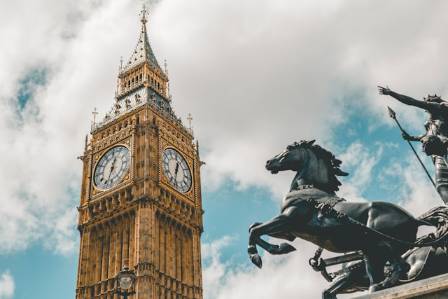
Touring the Tower: Limited Opportunities
Despite being one of London’s most famous attractions, public access to the tower is limited. Tours are available only to UK residents, who must be over the age of eleven and physically capable of climbing the 334-step spiral staircase. The climb is challenging but rewarding, offering a rare glimpse into the inner workings of the clock mechanism, the bell chamber, and the historical interior of the tower. Those who manage to secure a tour gain insight into the intricate craftsmanship that has kept the clock running accurately for more than 150 years, though tickets often sell out months in advance due to high demand.
The Tower’s Historical Background
Elizabeth Tower was constructed as part of the rebuilding of the Palace of Westminster following a devastating fire in 1834. The neo-Gothic design, crafted by Charles Barry with intricate detailing by Augustus Pugin, stands 315 feet tall and dominates the surrounding cityscape. The Great Bell was first installed in 1859, and shortly afterward, the clock became operational. Its design reflected both practical functionality and ornate Victorian aesthetic, combining precision engineering with artistic embellishment. The tower quickly became a symbol of London’s resilience and an emblem of national pride.
A Slight Lean in the Tower
Interestingly, the tower is not perfectly vertical; it leans slightly to the northwest. The tilt, measuring approximately 2.5 centimeters, is primarily due to ground conditions and the effects of nearby Underground construction. Engineers have carefully monitored the structure, confirming that the lean poses no threat to stability. This subtle tilt, often unnoticed by casual observers, adds another layer of intrigue to the tower’s long history, demonstrating how even the most iconic landmarks are subject to natural and environmental forces over time.
Big Ben on Screen and in Stories
Elizabeth Tower has been immortalized in popular culture, featuring prominently in countless films, television programs, and literary works. From classic thrillers like The 39 Steps to animated tales like Peter Pan, the tower’s clock face has been a symbol of adventure, suspense, and romance. Its frequent appearances in media have cemented its status as an international icon, representing not only London but also the broader idea of enduring British tradition. The tower’s image is instantly recognizable, making it a cultural touchstone for audiences around the world.
Precision Timekeeping Through the Ages
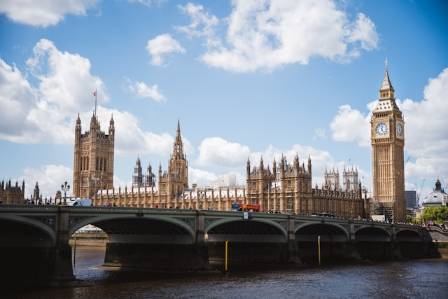
One of Big Ben’s most remarkable features is its reliability. The clock mechanism has maintained exceptional accuracy since its installation, even during challenging conditions such as heavy snow or wartime bombings in World War II. Minute adjustments are made with subtle methods, such as adding old pennies to the pendulum to regulate its speed. This dedication to precision ensures that the clock remains one of the world’s most trusted timepieces, symbolizing both technological prowess and meticulous Victorian craftsmanship.
Periods of Silence
The famous chimes of Big Ben are familiar to Londoners and visitors alike, but there are rare occasions when the bell falls silent. During World War I, for instance, the chimes were silenced to avoid providing a navigational aid to enemy aircraft. Other interruptions have occurred for ceremonial reasons, such as during the funerals of prominent figures like Winston Churchill and Margaret Thatcher, or for necessary maintenance work. These periods of silence, though brief, emphasize the bell’s importance as both a functional instrument and a symbolic presence within the city.
A Sound That Resonates Far and Wide
Big Ben’s distinctive chimes were designed to be heard across large distances. Historically, the bell’s tones could carry up to nine miles on a clear night, resonating across the Thames and surrounding districts. While urban development and modern noise pollution have somewhat reduced its audible range, the sound continues to be a defining feature of London’s sonic landscape. The bell’s rhythmic tolls mark the passage of time for countless Londoners, connecting past and present through its enduring resonance.
Restoration and Preservation Efforts
Currently, Elizabeth Tower is undergoing extensive restoration work, which began in 2017. The conservation project includes repairing the stonework, restoring the clock mechanism, and preserving historical features such as the roof, ironwork, and painted dials. Scaffolding has partially obscured the tower, and the bell has been silenced for long periods to ensure worker safety. This ambitious project highlights the ongoing commitment to preserving one of London’s most treasured landmarks, ensuring that Big Ben will continue to captivate future generations with both its beauty and its historical significance.
यह भी पढ़ें

दुनिया की सबसे अच्छी आइसक्रीम
कृष्ण

पिकनिक मनाने के 7 फ़ायदे
युवराज

पुरुषों के लिए मॉडर्न स्वेटशर्ट स्टाइलिंग: बहुमुखी आउटफिट कॉन्सेप्ट्स
अनुराग झुनझुनवाला

बैंकॉक की 10 सबसे लोकप्रिय सड़कें
माला

Essential Facts and Behavioral Traits of the North American Elk
Arthur Robinson

Is Bread a Staple Food? A Deep Dive into Its Importance and Impact
Liam Wilson