विशेष लेख
Essential Facts and Behavioral Traits of the North American Elk
The elk serves as a prominent symbol of the Rocky Mountain wilderness, particularly within the region surrounding Estes Park. While these large mammals are a frequent sight for visitors, they possess a variety of biological characteristics and social behaviors that are truly extraordinary. From their rapid physical development to their complex communication methods, the following details provide a deeper look into the life of the elk.
Arthur Robinson
लेखक
लेख परिचय
नीचे पूरा लेख पढ़ें।
अनुभाग
समाचार
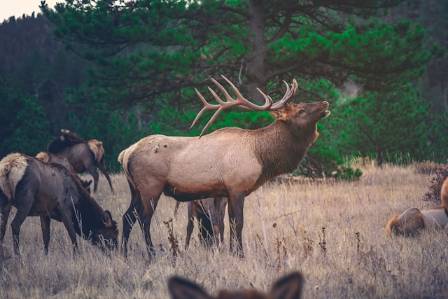
The elk serves as a prominent symbol of the Rocky Mountain wilderness, particularly within the region surrounding Estes Park. While these large mammals are a frequent sight for visitors, they possess a variety of biological characteristics and social behaviors that are truly extraordinary. From their rapid physical development to their complex communication methods, the following details provide a deeper look into the life of the elk.
Remarkable Antler Development and Physiology
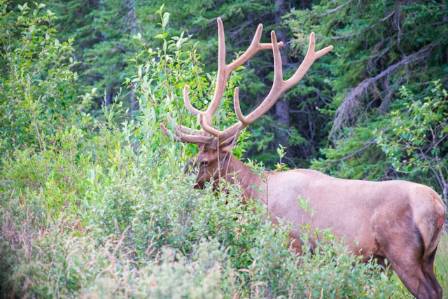
Antlers are exclusive to male elk, known as bulls, and represent one of the fastest-growing bone structures in the animal kingdom. During their peak growth phase, antlers can increase in size by as much as one inch per day. This intense biological activity is so unique that researchers study the process for potential insights into human cellular growth and oncology. A full-grown bull's antlers can reach a weight of 40 pounds, with their overall size largely determined by testosterone levels triggered by sunlight exposure.
Sophisticated Vocalizations and Communication
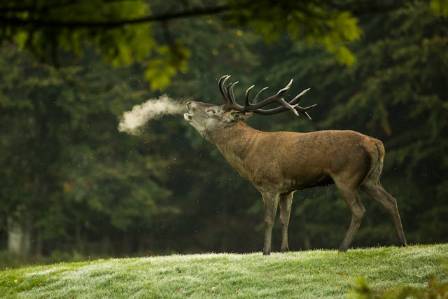
The high-pitched "bugle" of a bull elk is one of the most distinctive sounds in nature, especially during the autumn mating season known as the rut. Scientists discovered that this sound is actually a dual-force vocalization: the bull roars and whistles at the same time by manipulating its lips and nostrils simultaneously. Beyond vocal calls, elk communicate through "fancy footwork." As they walk, their anklebones produce a noticeable popping or cracking sound, which is believed to alert other members of the herd to their presence and movement.
Cultural Significance and the Legend of the Flute
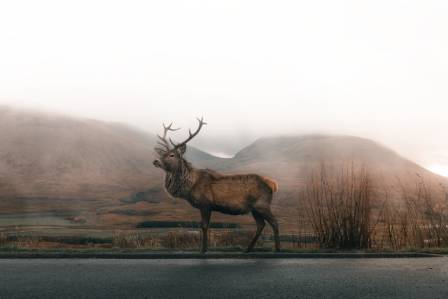
Native American tribes, such as the Shawnee, refer to the elk as "wapiti," a term meaning "white rump." In many indigenous cultures, the elk is a symbol of music and romantic pursuit. One famous legend tells of two elk-men who appeared in a dream to a shy young boy, gifting him a flute. By mastering the instrument, the boy found a way to express his love through melody, forever linking the elk to the origin of the first flute.
Intelligence and Mate Selection
Research suggests that elk possess a fundamental ability to differentiate between quantities, effectively "counting" up to ten. This is most evident in the behavior of female elk, or cows. When observing potential mates, a cow will almost consistently choose a bull with ten antler points over one with nine. This indicates that females pay close attention to physical symmetry and antler complexity when selecting a partner.
Marking Territory and Mating Rituals
Bulls leave physical markers on the landscape to attract females and establish dominance. You may notice "rubs" on trees where a bull has stripped away the bark with his antlers. This behavior serves a dual purpose: it acts as a visual sign for cows and polishes the antlers to a bright, eye-catching sheen. A more unusual—and somewhat pungent—mating habit involves the bull digging a pit, saturating it with his own urine, and rolling in it to create a strong scent intended to lure in mates.
Surprising Speed and Agility
Despite weighing as much as 700 pounds, the North American elk is remarkably agile. A mature bull can reach running speeds of 40 miles per hour, occasionally outperforming horses in short sprints. They are also formidable jumpers, capable of clearing an eight-foot vertical barrier from a standing position. This combination of mass and athleticism makes them one of the most capable large deer species on the planet.
Best Practices for Wildlife Observation
To ensure a safe experience for both humans and wildlife, certain guidelines should be followed when viewing elk in their natural habitat.
-
Maintain Distance: Use binoculars for a closer look. If an animal stops eating or stares at you, you are too close and should retreat.
-
Respect the Rut: Never attempt to mimic an elk call or bugle during the autumn mating season, as this can provoke a bull to charge.
-
Safe Driving: Stay on marked roads and trails. If you see elk while driving, pull completely off the road in a safe area rather than stopping in the lane.
-
Control Pets: Keep dogs on a leash and ensure they do not bark at or chase the wildlife.
-
Do Not Feed: Human food is harmful to elk and encourages dangerous interactions.
Optimal Viewing Locations and Times
The best time to observe elk is typically at dawn, when the animals are most active and human crowds are thinner. In the Estes Park and Rocky Mountain National Park areas, prime viewing spots include the Lake Estes and 18-hole golf courses, as well as Moraine Park, Upper Beaver Meadows, and Horseshoe Park within the national park boundaries.
यह भी पढ़ें
Amazing Facts About Canadian Elk
Owen Bailey

पुरुषों की जैकेटों के लिए मास्टर गाइड: स्टाइल और कार्यक्षमता को निखारें
राजकुमारी सैन

पुरुषों के लिए मॉडर्न स्वेटशर्ट स्टाइलिंग: बहुमुखी आउटफिट कॉन्सेप्ट्स
अनुराग झुनझुनवाला

5 सर्वश्रेष्ठ महासागर रोमांच
जेम्स मुलर

लग्ज़री की ऊंचाइयां: दुनिया भर की टॉप 6 ऊंची इमारतें
तारा

6 सबसे खूबसूरत और अनोखे ट्यूलिप प्रकार
अरविन्द