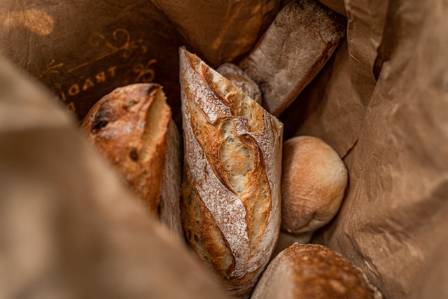
Bread has been woven into the fabric of human civilization for millennia, transcending geographical boundaries and cultural divides to become one of the most ubiquitous foods on the planet. From the crusty baguettes of Paris to the soft naan of New Delhi, from the sourdough loaves of San Francisco to the corn tortillas of Mexico, bread takes countless forms—each reflecting the unique traditions, ingredients, and values of its origin. But beyond its culinary diversity, a fundamental question persists: Is bread truly a staple food? To answer this, we must explore not only its nutritional role but also its historical significance, cultural resonance, economic impact, and evolving place in modern diets. This comprehensive analysis will unpack the multifaceted nature of bread, examining why it has endured as a cornerstone of human sustenance and what challenges (or opportunities) lie ahead for its status as a global staple.
The Definition of a Staple Food: What Qualifies?
Before determining if bread fits the bill, we must first establish what constitutes a staple food. At its core, a staple food is a dietary foundation—an item that makes up the majority of caloric intake for a population, provides essential nutrients, and is consistently available, affordable, and adaptable to local conditions. Unlike specialty or occasional foods, staples are consumed regularly (often daily) and serve as the "backbone" of meals, supporting both physical health and food security. Key attributes of staple foods include high availability (often locally produced or easily traded), cost-effectiveness (affordable for low- and middle-income households), nutritional density (delivering carbohydrates, proteins, or fats that meet basic energy needs), and versatility (pairing well with other foods to create balanced meals). Common examples globally include rice (dominant in Asia), maize (central to Latin America and parts of Africa), potatoes (a staple in Europe and North America), and wheat—with bread, its most accessible and widely consumed derivative, standing alongside these as a primary candidate. What sets bread apart, however, is its transformation from raw grain to a portable, storable, and culturally symbolic food—making it not just a source of sustenance but a reflection of human ingenuity.
A Brief History of Bread: From Wild Grains to Global Staple
The story of bread is intertwined with the rise of civilization itself, dating back far earlier than recorded history. Archaeological evidence suggests that the first forms of bread were crafted over 14,000 years ago in what is now Jordan, where hunter-gatherers ground wild grains (such as Einkorn wheat) into a paste, mixed it with water, and baked it on hot stones. This primitive bread was not the leavened loaf we know today but a dense, flat cake—yet it marked a pivotal shift: humans had begun to harness grains as a reliable food source, laying the groundwork for the Agricultural Revolution. Around 10,000 BCE, as farming replaced foraging, wheat cultivation spread across the Middle East (the "Fertile Crescent"), Europe, and Asia, enabling consistent bread production. The discovery of leavening—initially accidental, as wild yeast from the air fermented dough—revolutionized bread-making, creating lighter, more digestible loaves. Ancient Egyptians perfected this process, using sourdough starters (a mixture of flour and water fermented with natural yeast) to produce loaves for pharaohs and commoners alike. By the time of the Roman Empire, bread had become a staple of the Mediterranean diet, with public bakeries (pistrina) supplying cities and villages, and different varieties emerging for different social classes (white bread for the elite, darker, coarser loaves for the poor). The Middle Ages saw bread remain central to European diets, with monasteries preserving baking techniques and guilds regulating quality. With the Age of Exploration, wheat and bread-making spread to the Americas, Africa, and Australia, adapting to local grains (e.g., corn in Mexico, cassava in parts of Africa) and culinary traditions. The Industrial Revolution brought further change: mechanized milling (replacing stone grinding) made flour more affordable, while commercial bakeries and preservatives extended bread’s shelf life, making it accessible to urban populations. Today, bread production ranges from artisanal sourdough bakeries to large-scale factories, but its roots—deep in human innovation and adaptation—remain unchanged.
Cultural Significance of Bread: Beyond Sustenance
In nearly every culture that consumes bread, it carries meaning far beyond its nutritional value—serving as a symbol of hospitality, community, spirituality, and survival. The act of "breaking bread together" is a universal ritual, signifying trust, unity, and shared humanity. In Christianity, bread is central to the Eucharist, representing the body of Christ and fostering communal worship. In Judaism, challah—a braided loaf— is served on Shabbat and holidays, symbolizing peace and abundance. In Islam, bread (khubz) is treated with reverence, as the Quran emphasizes the importance of not wasting food, and sharing bread with others is considered a virtuous act. In many Middle Eastern and Mediterranean cultures, offering bread and olive oil to guests is a sign of welcome, while in parts of Africa, injera (a sourdough flatbread) is used as both plate and utensil, bringing people together around a single communal dish. Bread also plays a role in life’s milestones: in Italy, panettone is a Christmas tradition; in Mexico, pan de muerto honors loved ones during Día de los Muertos; and in many Western cultures, wedding cakes (a sweetened form of bread) symbolize prosperity. Even in times of hardship, bread remains a symbol of resilience—during wars, famines, and economic crises, access to bread is often seen as a basic human right, with governments and communities prioritizing its production and distribution. This cultural depth is what elevates bread from a mere food item to a cornerstone of identity, connecting generations and bridging cultural divides.
The Nutritional Value of Bread: Varieties and Health Implications
Bread’s nutritional profile is as diverse as its forms, with its health benefits largely dependent on the type of flour used, processing methods, and added ingredients. At its most basic, bread is a rich source of carbohydrates, which provide the body with glucose—its primary energy source. But beyond energy, the nutritional value varies dramatically between refined and whole-grain varieties. White bread, made from refined wheat flour (where the bran and germ are removed), is high in simple carbohydrates but low in fiber, vitamins (such as B vitamins), and minerals (like iron and magnesium). Its high glycemic index (GI) means it can cause rapid spikes in blood sugar, making it less ideal for individuals with diabetes or those seeking sustained energy. Whole wheat or whole-grain bread, by contrast, retains the bran and germ, making it a good source of dietary fiber (which supports digestive health, lowers cholesterol, and promotes satiety). It also contains more protein, B vitamins (critical for metabolism), and minerals (such as zinc and selenium) than refined bread. Specialty breads further expand the nutritional spectrum: sourdough, fermented naturally, has a lower GI and is easier to digest for some people; rye bread is high in fiber and antioxidants; and gluten-free bread (made from rice, almond, or coconut flour) caters to those with celiac disease or gluten sensitivities. However, not all bread is created equal—commercial loaves often contain added sugars, sodium, preservatives, and emulsifiers to improve texture and shelf life. Nutritionists emphasize that the key to incorporating bread into a healthy diet is choosing minimally processed, whole-grain varieties and pairing them with proteins (e.g., eggs, lean meat), healthy fats (e.g., avocado, olive oil), and vegetables to create balanced meals. The debate over bread’s healthiness often overlooks this diversity: while refined white bread may have limitations, whole-grain bread is a nutrient-dense food that can play a valuable role in a balanced diet.
Regional Preferences: Bread Around the World
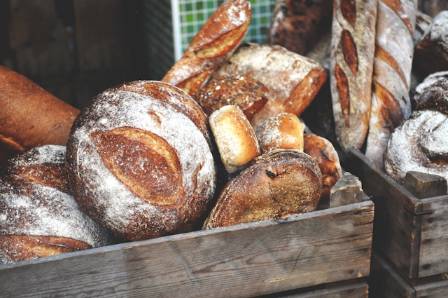
Bread’s status as a global staple is reflected in its incredible regional diversity—each culture adapting it to local grains, climates, and culinary traditions. In Europe, bread is a cornerstone of daily meals: France is famous for its crusty baguettes (made from high-protein wheat flour and baked in wood-fired ovens), Germany for dense, flavorful rye bread (pumpernickel) and pretzels, Italy for ciabatta (a porous, chewy loaf) and focaccia (a flatbread topped with olive oil and herbs), and the United Kingdom for sliced white bread (a staple in sandwiches and toast) and soda bread (leavened with baking soda instead of yeast). In North America, bread consumption revolves around sandwiches—with white, whole wheat, and artisanal loaves (sourdough, multigrain) dominating grocery stores—while tortillas (made from corn or wheat) are a staple in Mexican-American and Latinx communities. In South Asia, naan (a leavened flatbread cooked in a tandoor oven) and roti (an unleavened flatbread made from whole wheat flour) are served with curries and dals, while in the Middle East, pita (a pocketed flatbread) is used to scoop hummus, tabbouleh, and grilled meats. Africa’s bread traditions are diverse: injera (made from teff flour) is a staple in Ethiopia and Eritrea, while chapatis (similar to roti) are popular in East Africa, and baguettes—introduced during colonial times—remain common in North African countries like Morocco and Algeria. In Asia, where rice is the primary staple, bread plays a secondary but growing role: in Japan, melon pan (a sweet, bread-like pastry) is popular, while in South Korea, garlic bread and toast are common breakfast items. This regional variation highlights bread’s adaptability—proving that while its form may change, its role as a versatile, accessible staple remains consistent.
The Economic Impact of Bread: From Farms to Bakeries
Bread’s significance extends beyond nutrition and culture to global economics, as it is tied to one of the world’s most important agricultural commodities: wheat. Wheat is the third-most produced cereal crop globally (after maize and rice), with over 770 million metric tons harvested annually (according to the Food and Agriculture Organization, FAO). Major producers include China, India, Russia, the United States, and Canada, while wheat trade is a cornerstone of international agriculture, with countries relying on imports to meet domestic demand. The price of wheat—and thus bread—is influenced by a range of factors: climate conditions (droughts, floods, or heatwaves can devastate crops, driving up prices), geopolitical tensions (trade wars or sanctions can disrupt supply chains), and market demand (shifts toward whole-grain or specialty breads can alter production patterns). Beyond wheat farming, the bread industry supports millions of jobs worldwide: from farmers and harvesters to millers, bakers, truck drivers, and retail workers. Artisanal bakeries, in particular, play a vital role in local economies, creating jobs and fostering community connections, while large-scale bakeries supply supermarkets and restaurants, ensuring widespread accessibility. In many developing countries, small-scale bakeries (known as "panaderías" in Latin America or "boulangeries" in Francophone Africa) are essential businesses, providing affordable bread to low-income communities. The economic impact of bread also extends to food security: as a storable, affordable staple, it helps buffer populations against food shortages and price volatility. For example, during the COVID-19 pandemic, bread production was deemed an essential service in most countries, highlighting its role as a critical component of food systems. In short, bread is not just a food—it is an economic driver, supporting livelihoods and ensuring stability across the globe.
Is Bread Still a Staple? Modern Challenges and Trends
In recent decades, bread’s status as a staple has faced challenges from shifting dietary trends and health concerns. The rise of low-carb diets (such as the ketogenic or Atkins diets), fueled by fears of carbohydrates contributing to weight gain and chronic diseases, has led some individuals to eliminate bread from their diets. The gluten-free movement—driven by increased awareness of celiac disease and non-celiac gluten sensitivity—has also reduced bread consumption among certain populations. Additionally, concerns about processed foods have led some consumers to view commercial bread as unhealthy, citing added sugars, preservatives, and "empty calories." However, these trends have not diminished bread’s global status—far from it. For the majority of the world’s population, bread remains a daily staple, particularly in low- and middle-income countries where it is an affordable source of energy. Moreover, the backlash against processed bread has sparked a resurgence in artisanal and homemade bread-making, with consumers seeking out whole-grain, sourdough, and organic varieties that align with their health values. Globalization has also expanded bread’s reach: once-regional specialties (like sourdough or naan) are now available in supermarkets worldwide, appealing to diverse palates. Technological advancements have further supported bread’s relevance: plant-based breads (made from legumes or seeds) cater to vegan and vegetarian consumers, while fortified breads (enriched with iron, folic acid, or vitamin D) address nutritional gaps in developing countries. The COVID-19 pandemic even boosted bread consumption, as people turned to baking at home as a hobby and a way to ensure access to fresh food. All of this suggests that while bread’s form and production methods may evolve, its role as a staple—rooted in accessibility, versatility, and cultural significance—remains intact.
Conclusion: Bread’s Enduring Legacy as a Staple Food
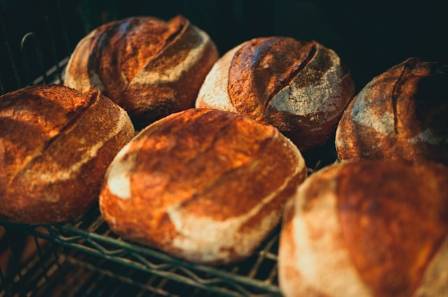
After exploring bread’s definition, history, culture, nutrition, regional diversity, economics, and modern trends, the answer to the question "Is bread a staple food?" is resoundingly yes—but its status is far more nuanced than a simple label. Bread is not just a source of calories; it is a symbol of human progress, from the first wild grain paste to the artisanal sourdough loaves of today. It is a cultural touchstone, connecting generations and communities through shared rituals and traditions. It is an economic driver, supporting millions of livelihoods and ensuring food security. And while modern dietary trends may challenge its place in some diets, bread’s adaptability—its ability to evolve with changing tastes, health concerns, and technological advancements—ensures its enduring relevance. What makes bread a true staple is not just its nutritional value or widespread consumption, but its ability to transcend boundaries: it is eaten by the rich and the poor, the urban and the rural, the young and the old. It is a food that unites us, reminding us of our shared humanity and our common need for sustenance, connection, and comfort. As long as humans seek affordable, accessible, and meaningful food, bread will remain a cornerstone of our diets—and our lives.