विशेष लेख
Reevaluating the Health Implications of Daily Orange Juice Consumption
Citrus juice stands securely as the most popular fruit beverage across the United States. Its refreshing, vibrant flavor profile combined with widely promoted wellness advantages has secured its place as a staple in the daily diet of millions. However, questions remain regarding whether the beverage truly delivers on its wholesome reputation, and whether daily consumption is advisable.
Leo Cox
लेखक
लेख परिचय
नीचे पूरा लेख पढ़ें।
अनुभाग
समाचार
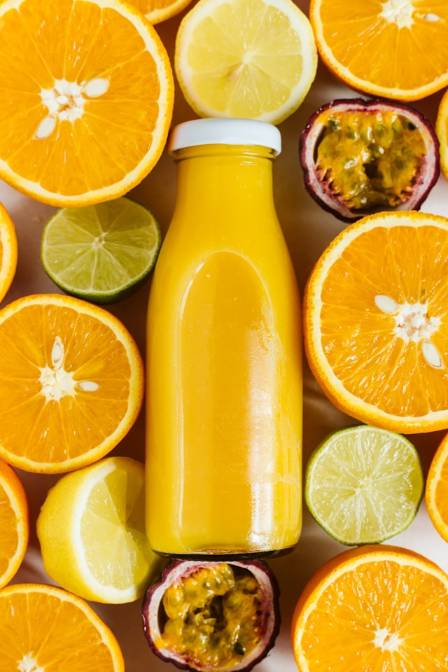
Citrus juice stands securely as the most popular fruit beverage across the United States. Its refreshing, vibrant flavor profile combined with widely promoted wellness advantages has secured its place as a staple in the daily diet of millions. However, questions remain regarding whether the beverage truly delivers on its wholesome reputation, and whether daily consumption is advisable.
Medical professionals indicate that while daily consumption is generally acceptable, it requires specific parameters. The beverage contains valuable micronutrients—including vitamin C, potassium, folate, and frequently supplemental vitamin D—which provide structural support to the immune system and cutaneous health. Nevertheless, like most nutrient-dense options, it delivers the greatest utility when consumed within reasonable boundaries.
Establishing Safe Daily Limits and Understanding Metabolic Risks
A daily intake spanning four to eight ounces is perfectly acceptable, provided the beverage does not serve as a primary means of hydration. Compared to intact fresh fruits, citrus juice contains concentrated sugars and lacks structural fiber, which can trigger rapid fluctuations in blood glucose levels. This metabolic response is particularly pronounced when the liquid is consumed in isolation.
Furthermore, each portion carries a significant caloric load. Because liquid calories fail to trigger the same satiety signals as solid foods, individuals can easily consume excessive amounts. Without conscious dietary adjustments across subsequent meals, this habit can inadvertently contribute to weight accumulation.
The Nutritional Disconnect Between Liquid Juice and Whole Fruit
While dietary guidelines suggest that adults aim for two daily portions of fruit, utilizing juice to fulfill this requirement does not offer an identical nutritional trade-off. Viewing processed juice as the exact equivalent of whole fruit is a frequent misunderstanding. It is far more accurate to classify the beverage as a highly concentrated fruit extract rather than a seamless replacement for intact produce.
When a whole orange is consumed, the naturally occurring dietary fiber acts as a metabolic speed brake, slowing the digestion and systemic absorption of fructose. Because juicing eliminates virtually all fibrous pulp, the remaining liquid enters the bloodstream rapidly, paving the way for sharp blood sugar spikes.

Strategic Dietary Pairing for Vulnerable Populations
Because of its rapid impact on blood glucose, individuals navigating type 2 diabetes, insulin resistance, or elevated cardiometabolic risks must exercise heightened vigilance regarding their intake. While the beverage can remain part of their lifestyle, it must be carefully rationed.
To mitigate the glycemic impact, the liquid should always be consumed alongside foods rich in clean protein, dietary fiber, and unsaturated fats. Pairing a small glass with whole-grain toast, fresh avocado, Greek yogurt, chia seeds, or eggs can dramatically stabilize the body's glycemic response.
Additionally, diluting the beverage with carbonated water can lower the total sugar and acid concentration per sip while extending the portion size. However, individuals managing gastroesophageal reflux or chronic heartburn may find it most beneficial to bypass citrus products entirely in favor of non-acidic alternatives.
Navigating Grocery Aisles for Optimal Nutritional Value
When selecting a product at the market, the most health-supportive option is entirely pure, hundred-percent juice featuring zero added sweeteners. Opting for high-pulp, non-concentrated varieties introduces valuable structural plant matter back into the beverage, which increases satiety and supports superior glycemic control. Conversely, products marketed under descriptors such as juice cocktails or fruit drinks routinely contain significant quantities of manufactured sugars while offering minimal genuine nutritional substance.

The Chronobiological Impact of Evening Sugar Intake
The timing of consumption also plays a pivotal role in how the body processes the beverage. Natural insulin sensitivity declines significantly during the evening hours, meaning the metabolism becomes less efficient at moving sugars out of the bloodstream and into cellular storage. For individuals managing insulin resistance or diabetes, an evening glass can trigger exceptionally elevated blood glucose levels.
Even for individuals free of metabolic conditions, absorbing a concentrated dose of sugar shortly before resting can degrade sleep architecture. This disruption occurs because high glucose loads late at night can interfere with the natural nocturnal rhythms of essential regulatory hormones, including cortisol.
यह भी पढ़ें

Discover the Wonders of Seals and Their Ocean World
Sophie Reynolds

The evolution of a Digital Earth
Julian Cross

दुनिया में सबसे सुंदर बर्फ से ढके पहाड़
ज़िनट आरा बेग

टोक्यो टावर
मधु

5 Must-know Facts About Zebras
Charles Harris

The Art of Elevating Your Living Space: Creative Home Transformation Ideas
Daniel Brooks