विशेष लेख
How Elevated Trains Revolutionized City Travel
Elevated railways transformed city transportation by introducing a completely new way to move large numbers of people efficiently. By lifting train tracks above crowded streets, these systems eliminated many of the delays that plagued urban travel and helped reshape the growth of modern cities.
Quinn Carter
लेखक
लेख परिचय
नीचे पूरा लेख पढ़ें।
अनुभाग
समाचार
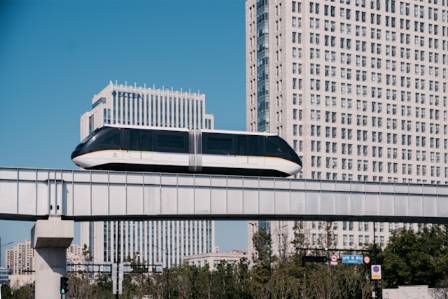
Elevated railways transformed city transportation by introducing a completely new way to move large numbers of people efficiently. By lifting train tracks above crowded streets, these systems eliminated many of the delays that plagued urban travel and helped reshape the growth of modern cities.
At a time when urban centers were becoming increasingly congested, elevated trains provided a practical solution that dramatically improved mobility, reduced travel times, and expanded access to new areas. Their influence can still be seen in transportation systems around the world today.
Rising Above Congested City Streets
During the nineteenth century, city streets were often overwhelmed with horse-drawn vehicles, streetcars, freight wagons, and pedestrians. Moving through these crowded corridors was slow, unpredictable, and frustrating for commuters and businesses alike.
Elevated railways solved this problem by creating a dedicated transportation corridor above street level. Free from traffic jams and road obstacles, trains could maintain steady speeds and deliver passengers to their destinations far more quickly than ground-based transportation.
This separation from street activity significantly increased reliability and helped establish a more efficient urban transportation network.
Faster, More Dependable Travel
One of the most significant advantages of elevated trains was their ability to reduce journey times.
Because trains operated independently of road traffic, passengers no longer had to contend with delays caused by congestion, accidents, or crowded intersections. Commutes became more predictable, allowing workers and businesses to plan their schedules with greater confidence.
The result was a transportation system that offered both speed and consistency, two qualities that became essential for rapidly growing cities.
Improving Urban Conditions
In addition to easing congestion, elevated railways contributed to cleaner urban environments.
Before modern transportation systems, city streets were heavily affected by pollution associated with horse-drawn transportation, including waste accumulation and deteriorating road conditions. Elevated trains helped reduce some of the pressure placed on these crowded streets.
Although many early elevated systems were powered by steam engines, later electrification significantly reduced emissions and noise while providing a more efficient and environmentally friendly means of transportation.
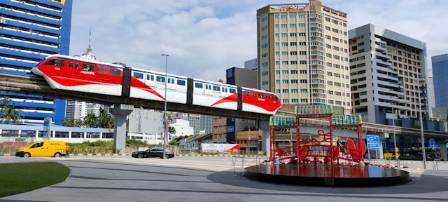
Expanding the Reach of Cities
The arrival of elevated railways changed where people could live and work.
Previously, many workers needed to reside close to city centers because lengthy travel times made commuting impractical. Faster transportation allowed residents to move farther from crowded and expensive downtown districts while still maintaining convenient access to employment opportunities.
As a result, suburban neighborhoods began to emerge, giving cities room to expand beyond their traditional boundaries.
Increasing Access to Opportunities
Elevated rail systems made important destinations more accessible to a larger portion of the population.
Business districts, shopping areas, entertainment venues, and cultural institutions could now be reached more easily by people living farther from the city center. This improved mobility helped connect communities and broaden access to economic and social opportunities.
Transportation became less of a barrier, allowing more residents to participate in urban life.
Creating New Communities Around Stations
Rail stations quickly became centers of activity and development.
Areas surrounding elevated train stops often experienced rapid growth as new housing, stores, restaurants, and services appeared to meet the needs of commuters. Land that was once considered too distant or undeveloped suddenly became attractive for investment.
These transportation hubs helped shape entirely new neighborhoods and contributed to the evolving structure of expanding cities.
Driving Economic Development
The construction and operation of elevated railways generated substantial economic benefits.
Large infrastructure projects created employment opportunities across numerous industries, including engineering, manufacturing, and construction. At the same time, businesses gained access to larger customer bases thanks to improved transportation links.
The increased movement of people supported commercial growth and strengthened the role of central business districts as economic engines.
Boosting Property Values
Easy access to rapid transit quickly became one of the most desirable features in urban real estate.
Properties located near elevated railway stations often experienced significant increases in value. Improved accessibility attracted both residential and commercial development, encouraging investment in previously overlooked areas.
This growth further accelerated urban expansion and reshaped city landscapes.
Laying the Foundation for Modern Transit
Elevated railways served as important testing grounds for many technologies and operational concepts that would later become standard in public transportation.
Advances in electrical systems, signaling technologies, station design, and traffic management were refined through the operation of elevated lines. These innovations provided valuable experience that influenced the development of subway systems and modern rail networks.
The success of elevated railways demonstrated that cities could support large-scale rapid transit systems capable of moving enormous numbers of passengers efficiently.
Encouraging Public Support for Mass Transit
As elevated rail systems gained popularity, public attitudes toward urban transportation began to shift.
People recognized the benefits of fast, reliable transit, which helped build support for future investments in transportation infrastructure. This growing acceptance played an important role in the expansion of subway networks and integrated transit systems throughout the twentieth century.
The widespread adoption of elevated trains showed that efficient public transportation was essential to urban development.
A Legacy That Continues Today
Although some elevated railways were eventually replaced by underground systems or removed because of concerns about noise and visual impact, many remain active today.
Cities such as Chicago and New York City continue to operate elevated rail lines that serve millions of passengers each year. These systems remain a testament to the effectiveness of the original concept.
Modern elevated light rail networks, automated transit systems, and monorails around the world continue to follow principles established by these pioneering railways.
Lessons for Future Urban Transportation
The history of elevated trains provides valuable insights for contemporary city planning.
Their successes demonstrate the importance of separating transportation networks from street-level congestion, while their challenges highlight the need to balance efficiency with community impact.
As cities continue to grow and transportation demands increase, the innovations introduced by elevated railways remain highly relevant. Their influence can be seen in many of the modern transit solutions designed to create faster, more sustainable, and better-connected urban environments.
Conclusion
Elevated trains played a crucial role in shaping the modern city. By overcoming traffic congestion, shortening travel times, supporting economic growth, and enabling urban expansion, they transformed how people lived, worked, and traveled.
More than a historical transportation innovation, elevated railways established many of the principles that continue to guide urban transit development today. Their enduring legacy reflects the power of engineering ingenuity in solving some of the most pressing challenges faced by growing cities.
यह भी पढ़ें

Picasso Portraits That Redefined the Art of Representation
Beatrice Holloway

समुद्र आपको अद्भुत महसूस कराने के दस कारण
प्रिया

पुरुषों के शीतकालीन औपचारिक परिधानों के लिए मास्टर गाइड
दिव्या शर्मा

Goldfish (Carassius auratus): Natural History and Species Profile
Marcus Adrian Langston
Best Heavy Duty Pickup Trucks
Ryan Cooper

The Most Iconic Mountains by Continent
Fred Anderson