विशेष लेख
Exploring the Traditional Japanese Bento Box
The bento box, a classic Japanese style of meal, has become popular around the world for its balanced and wholesome approach to eating. It usually features a combination of steamed rice, a grilled or fried protein, and a selection of pickled or cooked vegetables, all neatly arranged in a container to create an attractive and satisfying meal. In this guide, we’ll explore the elements that make up a bento, along with the cultural meaning behind this distinctive food tradition.
Florence Reed
लेखक
लेख परिचय
नीचे पूरा लेख पढ़ें।
अनुभाग
समाचार
The bento box, a classic Japanese style of meal, has become popular around the world for its balanced and wholesome approach to eating. It usually features a combination of steamed rice, a grilled or fried protein, and a selection of pickled or cooked vegetables, all neatly arranged in a container to create an attractive and satisfying meal. In this guide, we’ll explore the elements that make up a bento, along with the cultural meaning behind this distinctive food tradition.
Regional Differences and Seasonal Ingredients
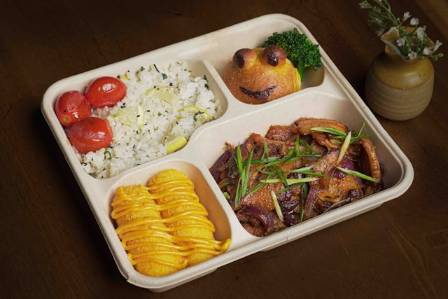
One of the defining features of bento is its use of local and seasonal foods. Depending on where it’s prepared and the time of year, a bento may highlight regional specialties—such as fresh seafood in coastal areas or mountain vegetables inland. For instance, a bento from Hokkaido might include salmon or crab, while one from Kyoto could feature plant-based dishes inspired by Buddhist cuisine, including tofu and vegetables. Using ingredients at their seasonal peak ensures freshness and enhances flavor.
Modern Bento Styles and Creative Variations
While traditional bentos remain widely enjoyed, newer interpretations have emerged to suit different tastes and dietary needs. Plant-based versions are increasingly common, incorporating ingredients like tofu or tempeh. Gluten-free options also exist, using alternatives such as gluten-free soy sauce. Fusion-style bentos have become popular as well, blending Japanese elements with flavors from other cuisines, including Korean or Indian influences.
Presentation and Aesthetic Appeal
How a bento looks is just as important as how it tastes. The arrangement of food is carefully planned to create a visually pleasing composition. A balance of colors, shapes, and textures is key to making the meal inviting. Small touches—like sesame seeds, herbs, or decorative garnishes—add refinement and elevate the overall presentation.
Dining Etiquette and Traditions
There are also customs associated with eating a bento. Chopsticks are the traditional utensil, and it is considered improper to stick them upright in rice, as this resembles a ritual associated with funerals. Meals are meant to be enjoyed slowly and thoughtfully, appreciating both flavor and presentation. In Japan, eating is often seen as a moment to relax, connect, and enjoy simple pleasures.
What Is a Traditional Japanese Bento Box?
A traditional bento is a carefully prepared meal designed to balance carbohydrates, protein, and vegetables, all arranged in an appealing way. It typically includes rice, a protein such as fish or chicken, and a variety of vegetable sides. Ingredients are often chosen based on the season to ensure the best taste and quality.
Beyond being a meal, bento is also considered a form of culinary artistry. The layout is thoughtfully arranged to achieve harmony in color, texture, and flavor. Often served in elegant wooden or lacquered boxes, it offers both nourishment and visual enjoyment, whether eaten at home, in restaurants, or as a packed lunch.
What Does a Bento Box Usually Contain?
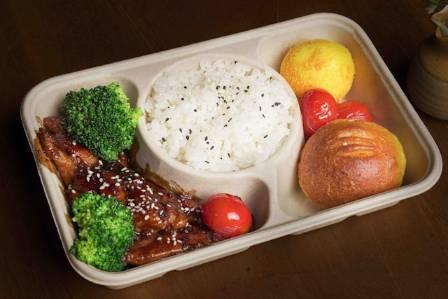
A typical bento includes a staple like rice, noodles, or bread, paired with several side dishes. These might include grilled or fried proteins such as fish, chicken, or tofu, along with pickled or cooked vegetables. Additional items can include miso soup, Japanese pickles, or fresh fruit, depending on preference and availability.
The goal is to create a balanced mix of flavors—sweet, salty, sour, and umami—as well as varied textures like crisp, soft, and chewy. This thoughtful combination results in a meal that is both nutritious and satisfying.
How to Put Together a Bento Box
Creating a bento requires a bit of planning, but the process is straightforward. Start by selecting a variety of ingredients that suit the season and your taste. Aim for a balance of nutrients, flavors, and textures.
Begin by placing the main staple, such as rice, into the largest section of the container. Then add proteins and vegetable sides in smaller compartments or arranged neatly alongside. You can include extras like pickles or soup for added variety. Finish by adding a garnish—such as herbs or edible flowers—to enhance both appearance and aroma.
With a little practice, assembling a bento becomes an enjoyable way to prepare meals that are both visually appealing and delicious.
Common Types of Japanese Bento Boxes
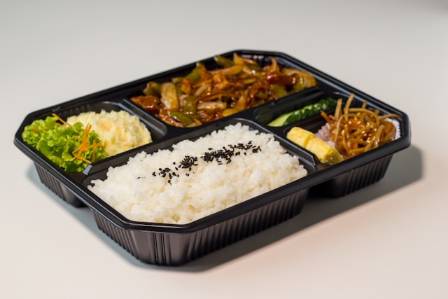
There are several well-known styles of Japanese bento, each with its own features and typical ingredients. One example is hokaben, which usually includes a mix of small dishes such as rice, grilled chicken, and pickled vegetables. Another popular type is ekiben, sold at train stations and often showcasing regional specialties and seasonal foods. A more traditional option is makunouchi bento, which typically contains rice, grilled fish, and a variety of classic side dishes like pickles and vegetables.
Each style carries its own background and cultural meaning, often linked to certain regions or occasions. Hokaben is commonly found in urban areas like Tokyo, ekiben is closely tied to train travel and local cuisine, and makunouchi bento is often associated with more formal settings or special events. Trying different types is a great way to explore the variety within Japanese food culture.
How to Choose Ingredients for a Bento Box
Selecting ingredients for a bento involves thinking about seasonality, personal taste, and nutritional balance. Begin with a staple such as rice or noodles, then add a mix of side dishes that complement it. Include protein options like chicken, fish, or tofu, along with vegetables such as pickles or lightly cooked greens. Adding something rich in umami—like miso or soy-based seasoning—can enhance overall flavor.
It’s also helpful to consider visual and textural balance. Aim for a mix of colors, a combination of crunchy and soft foods, and a variety of shapes. Seasonal ingredients are especially important—fresh greens in spring or hearty root vegetables in winter, for example. This approach results in a meal that is both appealing and well-rounded.
Can You Make a Bento Box at Home?
Absolutely. Preparing a bento at home is quite achievable with a bit of planning. Start by gathering a container and basic kitchen tools, then choose simple dishes like rice, grilled meat, and vegetables. Focus on balancing flavors, textures, and nutrients, and arrange everything neatly for an attractive presentation.
You don’t need advanced cooking skills to get started. Simple recipes and even pre-prepared ingredients can make the process quicker. Over time, experimenting with different combinations will help you create meals that are both delicious and visually pleasing.
How to Store and Carry a Bento Box
Proper storage and transport are important to keep your bento fresh and safe. Use a container with a secure lid, and store it in a cool place such as a refrigerator or insulated bag. When taking it on the go, keep it protected from heat and moisture by using a carrying case or wrap.
Maintaining cleanliness is also key—wash the container thoroughly after each use and dry it well. Liners or dividers can help keep foods separate and make cleaning easier. If you’re traveling with your bento, an insulated bag can help maintain a safe temperature. With a few simple steps, you can enjoy your bento anywhere while keeping it fresh and appetizing.
यह भी पढ़ें

The evolution of a Digital Earth
Julian Cross

दुनिया में सबसे सुंदर बर्फ से ढके पहाड़
ज़िनट आरा बेग

Crankworx New Zealand Levels Up for 2026: Christchurch Joins Rotorua as Dual World Tour Hosts
Magnus

The 4 Best Cycling Stunts
Daniel Young
Is Bread a Staple Food? A Deep Dive into Its Importance and Impact
Liam Wilson