← मुखपृष्ठ2 मिनट का पाठ
विशेष लेख
5 of the World's Most Solitary Creatures
While many animals thrive in groups, benefiting from companionship, safety, and mutual support, there are also many species that prefer solitude. These loners typically handle feeding, resting, and hunting on their own, only coming together for mating or raising offspring. From polar bears to desert tortoises, here are five of the most solitary creatures in the animal kingdom.
S
Sophia Grace
लेखक
लेख परिचय
नीचे पूरा लेख पढ़ें।
अनुभाग
समाचार
While many animals thrive in groups, benefiting from companionship, safety, and mutual support, there are also many species that prefer solitude. These loners typically handle feeding, resting, and hunting on their own, only coming together for mating or raising offspring. From polar bears to desert tortoises, here are five of the most solitary creatures in the animal kingdom.
1. Platypus
Native to Australia, the unique-looking platypus is a true solitary creature. While it may share a body of water with other animals, it generally avoids interaction with them, except during the breeding season. When naturalist George Shaw first described the platypus in 1799 in his book The Naturalist's Miscellany, its combination of a duck's bill, a beaver's tail, and an otter's body left many readers skeptical that such an animal could exist.
2. Polar Bear
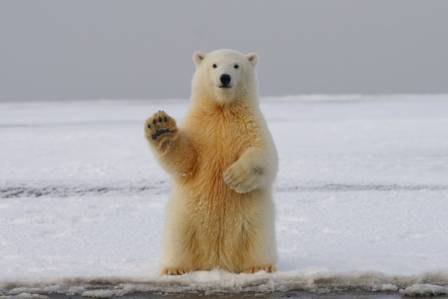
Young polar bears might play together, but as adults, they prefer solitude. They generally only interact with others during mating season or when raising their cubs. Polar bears spend a significant portion of their time hunting and will tolerate company only when they come across large food sources, like a whale carcass, that can be shared.
3. Snow Leopard
Renowned for being one of the most elusive animals, snow leopards are solitary by nature. These majestic cats like to perch on high rocky ledges, where they can keep an eye out for prey while remaining hidden. Snow leopards are primarily active at dawn and dusk. Like most big cats, except for lions, they only come together with others for mating or raising young. In fact, snow leopards tend to avoid conflicts with other animals, and there are no confirmed reports of snow leopards attacking humans. If disturbed while eating, they’re more likely to flee than defend their meal.
4. Solitary Sandpiper
Unlike most shorebirds, which migrate in flocks, the solitary sandpiper lives up to its name by migrating alone. It is typically found solo along shaded streams or ponds in North America. While other sandpipers nest on the ground, this species prefers to use abandoned songbird nests high in trees. If approached, they tend to nervously bob and emit high-pitched calls before flying off. These birds are typically seen together only during mating season or when mothers are with their young.
5. Moose
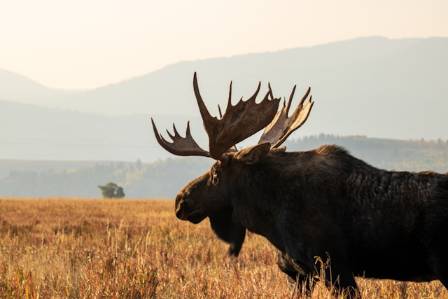
The moose, the largest member of the deer family, can grow up to six feet tall at the shoulder and weigh over 1,000 pounds. Unlike most deer, moose do not form herds. Calves remain with their mothers until they are about a year old, after which they strike out on their own. While male moose may sometimes engage in combat for mates during the breeding season, they are generally solitary creatures throughout the rest of the year.