विशेष लेख
The Shocking Truth About The Ring Tailed Lemur
Keeping a ring-tailed lemur as a pet is highly risky. These exotic animals are not suitable pets. Wild populations face a high threat of extinction. Global demand causes illegal poaching. Buying them as pets worsens their situation in the wild.
Pearson Daniel
लेखक
लेख परिचय
नीचे पूरा लेख पढ़ें।
अनुभाग
समाचार

Keeping a ring-tailed lemur as a pet is highly risky. These exotic animals are not suitable pets. Wild populations face a high threat of extinction. Global demand causes illegal poaching. Buying them as pets worsens their situation in the wild.
These primates are protected by national laws. The United States restricts their importation. Many individual states completely ban ownership. Keeping these prohibited species brings legal consequences. Owners can face fines or pet ownership bans. These creatures also threaten public health. They carry life-threatening zoonotic diseases. They also have physical attributes that harm humans. They usually do not impact native biodiversity if they escape. However you must never release a pet into the wild. Meeting their lifetime care and housing needs is extremely difficult. Owners cannot provide a good quality of life.
Critical Factors To Consider Before Buying
Wild lemur populations are declining rapidly. This endangered species is targeted for the illegal pet trade. You must check your local laws on lemur ownership. Primate ownership is illegal or restricted in most American states. It is illegal to import any non-human primate into the United States for the pet trade. Lemurs carry dangerous diseases that can pass to humans. These illnesses can be life-threatening. Lemurs also become aggressive as they mature. They can severely bite and scratch their owners.
Traffickers take babies from their mothers at just a few days old. This is done to tame them. However lemurs are very social animals. They need to be reared by their mothers. They must live among a large family group of their own kind. They do very poorly in isolation. Captivity in a home environment causes extreme stress. Their housing, diet, and social needs are very hard to meet. Caring for them is expensive and time-consuming. They are not domesticated animals. Training them is exceptionally difficult. Captive lemurs face many nutritional issues due to improper diets. Large outdoor facilities with optimal climate conditions are best for them. Humans should not handle them once they become adults. Exotic mammals require specialized veterinary care. Very few pet veterinarians are familiar with primate care.
Essential Biological Facts And Natural History
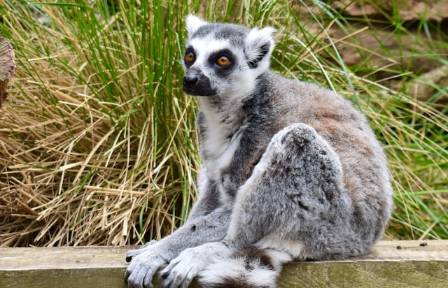
The ring-tailed lemur belongs to the primate order. They are part of the Lemuridae family. Their average lifespan is around sixteen years. An adult weighs between five and six pounds. This equals two to three kilograms. Their body size is about seventeen inches. Their distinctive tail can reach up to two feet long.
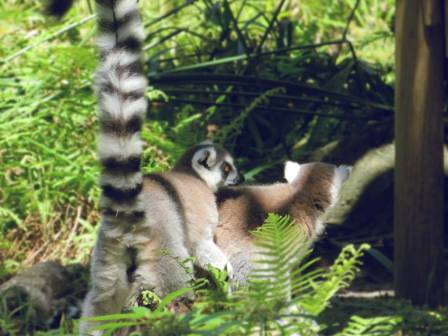
Their native range includes southern and south-west Madagascar. They inhabit arid open areas and forests. Their diet is highly varied. They eat leaves, flowers, insects, and fruit. They also consume herbs and small vertebrates. Ring-tailed lemurs live in social groups. These groups contain three to twenty-five individuals. They are diurnal animals. This means they are most active during the day. They are the most terrestrial of all lemurs. They spend up to half of their day on the ground instead of in the trees.
यह भी पढ़ें
तेंदुए को वास्तव में उसके धब्बे कैसे मिले
विकास

The Architectural Masterpiece of the Walt Disney Concert Hall
Lydia Winterbourne

दुनिया भर की 20 सबसे शानदार बिग वॉल क्लाइंब
युवराज

बाहरी कैम्पिंग का मार्गदर्शिका बाहरी कैम्पिंग का अंतिम मार्गदर्शिका: टिप्स, ट्रिक्स, और आवश्यकताएँ
सिद्धार्थ

दुनिया की 13 सबसे प्रतीकात्मक वास्तुकलाएँ जिन्हें हर छात्र को देखना चाहिए
रिया

कूपे को समझना: स्टाइल और परफॉर्मेंस के लिए एक गाइड
विशाल मंगल