
Introduction: The Importance of Seafood in a Healthy Diet
Seafood is a cornerstone of balanced nutrition, celebrated for its rich protein content, heart-healthy fats, and essential vitamins and minerals. Health experts, including the American Heart Association, recommend consuming at least 8 ounces (227 grams) of seafood per week for adults—equivalent to two 4-ounce servings—due to its proven benefits for cardiovascular health, brain function, and overall well-being. Yet, despite these guidelines, the average American consumes only about a third of this recommended amount, often due to confusion about which fish are the healthiest, concerns about mercury levels, or uncertainty about preparation methods. Not all fish are created equal: some are packed with omega-3 fatty acids and lean protein, while others carry high levels of harmful contaminants like mercury. This guide aims to demystify seafood choices, highlighting the best fish to prioritize, the ones to avoid, and key considerations like wild-caught vs. farm-raised options, so you can make informed decisions that align with your health goals.
Best Fish: High in Omega-3 Fatty Acids
Omega-3 fatty acids—specifically eicosapentaenoic acid (EPA) and docosahexaenoic acid (DHA)—are the star nutrients in fatty, oily fish, offering a myriad of health benefits. These essential fats cannot be produced by the human body, so they must be obtained through diet. Research shows that consuming just two 4-ounce servings of omega-3-rich seafood per week can reduce the risk of heart disease by 36% by lowering triglyceride levels, reducing inflammation in blood vessels, and improving blood pressure regulation. Beyond heart health, omega-3s support brain development in fetuses and young children, reduce the risk of age-related cognitive decline (including Alzheimer’s disease), and may alleviate symptoms of depression and anxiety. They also play a role in eye health, supporting retinal function and reducing the risk of macular degeneration. The top sources of EPA and DHA include salmon (wild-caught Pacific salmon is particularly high), herring, anchovies, sardines, and trout. These fish are not only nutrient-dense but also relatively low in mercury, making them safe for regular consumption by most people, including pregnant women and children (when portioned appropriately).
Best Fish: Lean, Low-Calorie Options
For those focused on weight management or seeking a lighter protein source, lean fish are an excellent choice. These fish have lower fat content than their oily counterparts but still deliver ample protein—an essential nutrient for muscle repair, satiety, and metabolism. A 3-ounce (85-gram) serving of lean fish like tilapia, cod, flounder, or sole contains fewer than 120 calories and provides 20-25 grams of high-quality protein, with minimal saturated fat. What makes these fish particularly appealing is their mild flavor: tilapia and cod, in particular, have a subtle, non-fishy taste that makes them ideal for those new to seafood or who prefer milder flavors. They also act as versatile canvases for marinades, sauces, and seasonings, absorbing flavors like lemon, garlic, herbs, or soy sauce easily. Whether baked, grilled, sautéed, or steamed, lean fish are quick to prepare and can be incorporated into a wide range of dishes—from fish tacos and salads to stir-fries and soups—without adding excessive calories or fat.
Best Seafood: Shrimp (and Prawns)
Though technically crustaceans rather than fish, shrimp and prawns deserve a spot on the “best” list for their impressive nutritional profile. They are exceptionally low in calories and mercury, making them a safe and healthy choice for most people, including pregnant women and children. A 3-ounce serving of shrimp contains only about 80 calories, 1 gram of fat, and a whopping 18 grams of protein—making it one of the most protein-dense seafood options available. Shrimp is also a good source of selenium, a mineral that supports thyroid function and immune health, and vitamin B12, which is essential for nerve function and red blood cell formation. It’s no surprise that shrimp accounts for nearly half of all seafood consumed in the United States. While shrimp does have higher cholesterol levels than most fish (about 160 milligrams per 3-ounce serving), research has shown that dietary cholesterol has a minimal impact on blood cholesterol levels for most people, especially when compared to saturated and trans fats. The main drawbacks of shrimp are its low omega-3 content and potential environmental concerns (some farmed shrimp may be raised in unsustainable conditions), so opt for wild-caught or sustainably farmed shrimp when possible.
Worst Fish: High in Mercury
Mercury is a toxic heavy metal that accumulates in fish over time, particularly in larger, longer-lived species. Exposure to high levels of mercury can cause serious health problems: in adults, it can damage the brain, nerves, and kidneys, leading to symptoms like memory loss, muscle weakness, and numbness in the hands and feet. For pregnant women, mercury poses a significant risk to fetal brain development, potentially leading to cognitive impairments, learning disabilities, and developmental delays in children. Young children and infants are also highly vulnerable, as their brains and nervous systems are still developing. To minimize mercury exposure, it’s critical to avoid or limit consumption of fish with the highest mercury levels. These include imported swordfish, imported marlin, shark, and tilefish (also known as golden bass or snook). These fish are apex predators, meaning they sit at the top of the food chain, and as a result, they accumulate mercury from the smaller fish they eat. Health experts advise that pregnant women, nursing mothers, and young children should avoid these fish entirely, while other adults should limit consumption to no more than once a month (if at all).
Worst Fish: King Mackerel
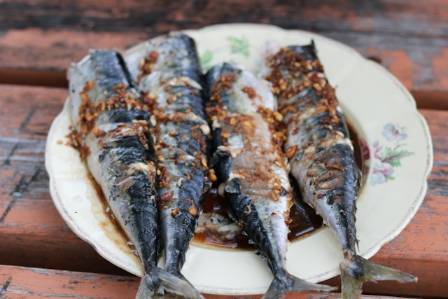
While most mackerel species are excellent sources of omega-3 fatty acids and make a healthy addition to the diet, king mackerel is a notable exception due to its high mercury content. King mackerel, especially those caught in the Pacific Ocean, can contain mercury levels that exceed safe limits, making it a fish to avoid—particularly for vulnerable populations like pregnant women, nursing mothers, and children. This is ironic because mackerel is otherwise a nutritional powerhouse: it’s rich in EPA and DHA, protein, and vitamin D. However, the risks of mercury exposure outweigh these benefits for many people. It’s important to note that not all mackerel is created equal: Atlantic mackerel and Spanish mackerel are smaller, shorter-lived species that contain significantly less mercury and are safe to eat regularly (up to twice a week). When purchasing mackerel, always check the label to ensure you’re getting a low-mercury variety, and avoid king mackerel altogether if you’re in a high-risk group.
Worst Fish: Orange Roughy
Orange roughy, also known by its less appetizing nickname “slimehead,” is another fish to steer clear of due to its high mercury content and unsustainable fishing practices. These deep-sea fish have an extremely long lifespan—up to 150 years—which means they accumulate mercury and other toxins over decades of living in polluted oceans. A single serving of orange roughy can contain mercury levels that exceed the Environmental Protection Agency (EPA)’s safe limits, making it a poor choice for regular consumption. Additionally, orange roughy is a slow-growing, late-maturing species, which means it’s highly vulnerable to overfishing. Many populations of orange roughy have been depleted due to unsustainable fishing methods, leading to concerns about their long-term survival. Choosing orange roughy not only poses health risks but also contributes to environmental harm. For a safer, more sustainable alternative, opt for cod, haddock, or pollock—all of which are low in mercury and responsibly managed.
It Depends: Tuna—Choose Wisely
Tuna is a popular seafood option, but its healthfulness depends largely on the type and preparation. Like mackerel, different species of tuna have varying mercury levels, so it’s important to know which ones to choose and how often to eat them. Bluefin tuna and bigeye tuna are large, long-lived species that are high in mercury, so they should be avoided or consumed very rarely (no more than once a year for most adults). Albacore tuna (also known as “white tuna”) is higher in omega-3s than other types of tuna but still contains moderate levels of mercury. Health experts recommend limiting albacore tuna to no more than one 4-ounce serving per week for adults, and pregnant women and children should avoid it entirely. Yellowfin tuna (often labeled “ahi tuna”) is another moderate-mercury option that can be enjoyed occasionally, but again, no more than once a week. For a safer, more affordable choice, opt for canned light tuna, which is made from smaller, lower-mercury species like skipjack tuna. Canned light tuna is high in protein, low in fat, and safe to eat up to three times a week for most adults. It’s also important to note that tuna sushi or sashimi may contain higher mercury levels than cooked tuna, as cooking does not reduce mercury content—so limit raw tuna consumption accordingly.
The In-Between Bunch: Fish with Moderate Benefits and Risks
Some fish fall into a “middle ground” category: they’re not high enough in mercury to warrant complete avoidance, but they don’t offer the same level of omega-3s as fatty fish like salmon or sardines. These fish can be part of a healthy diet but shouldn’t be your primary source of seafood if you’re looking to maximize omega-3 intake. Examples include Chilean sea bass, halibut, mahi mahi, monkfish, and snapper. Chilean sea bass (also known as Patagonian toothfish) is a rich, buttery fish that’s popular in restaurants, but it’s high in saturated fat and moderate in mercury—so enjoy it in moderation (no more than once a month). Halibut is a lean, mild-tasting fish that’s high in protein and low in fat, but it has minimal omega-3s and moderate mercury levels. Mahi mahi (dolphin fish) is a firm, white fish with a sweet flavor that’s low in fat and calories, but again, low in omega-3s. Monkfish and snapper are also lean, protein-rich options, but they don’t offer significant omega-3 benefits. These fish are great for adding variety to your diet, but pair them with omega-3-rich fish like salmon or sardines to ensure you’re getting enough of these essential fats.
Wild-Caught vs. Farm-Raised: Which Is Better?
The debate between wild-caught and farm-raised fish is a common one, and the answer depends on your priorities—health, environment, and taste. Wild-caught fish live in their natural habitats (oceans, lakes, rivers) and eat a diet of natural prey, which can make them more nutrient-dense in some cases. For example, wild-caught salmon has a higher omega-3 content than farm-raised salmon, as it eats a diet rich in algae and small fish. Wild-caught fish also tend to be lower in saturated fat and may have a more complex, flavorful taste. However, wild-caught fish can be more expensive, and some species are overfished, leading to environmental concerns. Farm-raised fish, on the other hand, are raised in controlled environments like tanks or pens, which can reduce pressure on wild populations. Farm-raised fish are often more affordable and readily available, and some farms use sustainable practices. However, farm-raised fish may be fed a diet of processed pellets, which can lower their omega-3 content and increase their saturated fat levels. They may also be exposed to antibiotics or pesticides to prevent disease in crowded conditions. When choosing between wild-caught and farm-raised, look for labels like “Certified Sustainable Seafood” (from organizations like the Marine Stewardship Council) to ensure you’re making an environmentally responsible choice. For health, wild-caught is generally preferable for fatty fish like salmon, while farm-raised can be a good option for lean fish like tilapia or cod if sourced sustainably.
Key Terms to Know: Sustainable Seafood and Conservation
Understanding seafood labels and conservation terms is crucial for making ethical and environmentally responsible choices. “Threatened” is a label given to species that are likely to become endangered if conservation measures are not taken. These fish are still available but should be consumed sparingly to avoid further depleting their populations. “Endangered” means a species has an extremely small population and is at high risk of extinction—these fish should be avoided entirely. “Overfishing” occurs when fish are caught faster than they can reproduce, which is a major threat to marine ecosystems. Overfishing, combined with pollution, habitat destruction, and climate change, has led to the decline of many fish species, including bluefin tuna and cod. To support sustainable seafood practices, look for certifications like the Marine Stewardship Council (MSC) or Aquaculture Stewardship Council (ASC), which ensure that fish are caught or farmed in a way that minimizes environmental impact. You can also use apps like Seafood Watch to check the sustainability of specific fish species and make informed choices. By choosing sustainable seafood, you’re not only protecting marine ecosystems but also ensuring that future generations can enjoy the health benefits of fish.
Conclusion: Making Smart Seafood Choices for Health and Sustainability

Seafood is a nutrient-dense food that offers numerous health benefits, but not all fish are created equal. To maximize the benefits and minimize the risks, prioritize omega-3-rich fish like salmon, herring, anchovies, sardines, and trout, and lean options like tilapia, cod, and shrimp. Avoid high-mercury fish like imported swordfish, shark, king mackerel, and orange roughy, especially if you’re pregnant, nursing, or have young children. When it comes to tuna, choose canned light tuna for regular consumption and limit albacore, bluefin, and bigeye tuna. Consider the sustainability of your seafood choices by looking for certifications and supporting responsible fishing practices. By following these guidelines, you can enjoy the health benefits of seafood while protecting your body from harmful contaminants and supporting the long-term health of our oceans. Remember, the key is moderation and variety—incorporating a range of seafood into your diet ensures that you get a diverse array of nutrients while reducing your exposure to any single contaminant. With a little knowledge and planning, seafood can be a delicious and healthy addition to your weekly meals.