विशेष लेख
7 Spectacular Seabirds That Rule the Waves
From the icy North Atlantic to the warm waters of the Pacific, seabirds are masters of the marine world. These winged voyagers dive, soar, and skim the oceans in extraordinary ways. Here are seven remarkable seabirds worth knowing and admiring.
Tina
लेखक
लेख परिचय
नीचे पूरा लेख पढ़ें।
अनुभाग
समाचार
From the icy North Atlantic to the warm waters of the Pacific, seabirds are masters of the marine world. These winged voyagers dive, soar, and skim the oceans in extraordinary ways. Here are seven remarkable seabirds worth knowing and admiring.
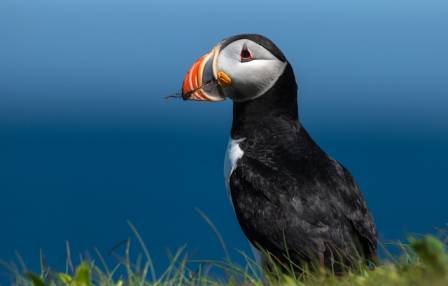
Atlantic Puffin
The Atlantic Puffin, also called the “sea parrot,” spends much of the year in open waters before returning to rugged coasts of Europe and North America to breed. Their striking beaks and bright orange feet glow vividly during nesting season. Puffins dive with wingbeats that resemble underwater flight, usually within 30 meters, but can reach depths of 60 meters to chase fish like herring and capelin. Sadly, warming seas and food scarcity have placed them on the IUCN Red List as Vulnerable.
California Brown Pelican
These social birds patrol American coastlines from the Gulf to the Pacific. Famous for their dramatic dives from up to 18 meters high, they inflate throat pouches to scoop sardines, anchovies, and the occasional mackerel. Air sacs beneath their skin act like airbags to soften impact. Once devastated by pesticide use, their populations have rebounded after bans, though entanglement in fishing gear remains a challenge.
Red-Tailed Tropicbird
Known for their elegant crimson tail streamers, these birds inhabit remote islands in the Indian and Pacific Oceans. They feed mainly on flying fish and squid, diving as deep as 25 meters. Their aerial courtship rituals—spiraling displays high above the sea—are as dazzling as their plumage. Although currently listed as “Least Concern,” they are highly vulnerable to introduced predators like rats.
Magnificent Frigatebird
With a wingspan over two meters, the Magnificent Frigatebird glides endlessly above tropical waters. Their feathers lack waterproofing, so they never dive, instead snatching fish from the surface or stealing meals from other birds. Males inflate bright scarlet throat sacs to attract females during breeding season. While global populations are stable, some isolated groups show worrying declines.
Laysan Albatross
Roaming the North Pacific, these graceful giants are symbols of endurance. They can travel thousands of kilometers between feeding trips, mostly targeting squid. Mated pairs perform intricate dances and often remain bonded for life. Plastic pollution and longline fisheries threaten their survival, even as vast colonies persist in the Hawaiian archipelago.
Southern Giant Petrel
Nicknamed “stinkers,” these birds thrive in the Southern Ocean, scavenging carcasses as well as preying on live chicks of penguins and other seabirds. They are also capable divers, reaching depths over 70 meters. Their defense mechanism is unforgettable: projectile vomiting a foul-smelling oil at intruders. Although still numerous, bycatch and environmental changes pose risks.
Cape Gannet
Endemic to southern Africa, Cape Gannets dive spectacularly from heights to chase sardines and anchovies, sometimes reaching depths of 130 meters. They breed in dense colonies on offshore islands. Overfishing and competition with commercial fleets have caused major declines, leaving the species endangered.
Conclusion
Seabirds are more than ocean wanderers; they are vital players in marine ecosystems. From puffins with clown-like bills to albatrosses soaring for weeks on the wing, each species tells a story of resilience and vulnerability. Protecting these creatures ensures the oceans remain full of life, beauty, and flight.
यह भी पढ़ें

Metabolism-Boosting Fruit Toast Recipes For Summer
Hazel Rain

कॉफी के 9 अनोखे लाभ
उमेश

हूड रिवर, ओरेगन में 5 शीर्ष चढ़ाई स्थल
महेश

सुंदर प्रतिबिंबों को कैप्चर करने के लिए 5 टिप्स
माधवी

Reevaluating the Health Implications of Daily Orange Juice Consumption
Leo Cox
How Camels Survive in Deserts: Extraordinary Adaptations of Nature’s Desert Navigators
Noah