विशेष लेख
How Smart Factories Are Transforming Global Manufacturing Systems
A smart factory integrates interconnected machinery, modern sensors, software networks, and intelligent processes into a unified environment. These automated facilities utilize continuous data streams and artificial intelligence to refine daily production output. System platforms evaluate operational performance constantly to raise quality standards and operational speed. Smart manufacturing represents the foundation of the fourth industrial revolution. Earlier industrial shifts relied on steam engines, mass assembly lines, and basic computer networks. Modern digital transformation alters how companies design, assemble, and distribute products across global markets.
Clara Porker
लेखक
लेख परिचय
नीचे पूरा लेख पढ़ें।
अनुभाग
समाचार
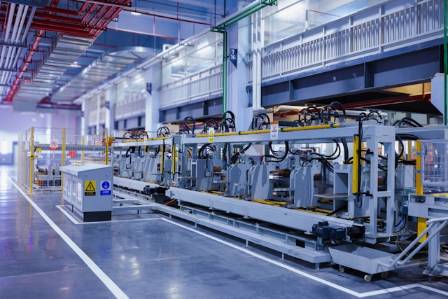
A smart factory integrates interconnected machinery, modern sensors, software networks, and intelligent processes into a unified environment. These automated facilities utilize continuous data streams and artificial intelligence to refine daily production output. System platforms evaluate operational performance constantly to raise quality standards and operational speed. Smart manufacturing represents the foundation of the fourth industrial revolution. Earlier industrial shifts relied on steam engines, mass assembly lines, and basic computer networks. Modern digital transformation alters how companies design, assemble, and distribute products across global markets.
Why Modern Industry Demands Smart Manufacturing Solutions
Global industrial organizations face increasing operational pressures from geopolitical conflicts, changing tariffs, and persistent labor shortages. Unexpected material shortages and unpredictable operational costs create severe planning challenges for plant managers. Consumer expectations for rapid order fulfillment have risen sharply in recent years. Surging demand for same-day package delivery forces manufacturers to shorten production timelines significantly. Organizations require real-time visibility and strategic insights to adapt to sudden market shifts. Smart facilities unite equipment, human workers, and management software into a single resilient system. Intelligent analytics and automated execution stabilize output, minimize operational downtime, and increase flexibility. Industrial leaders recognize smart manufacturing as a critical strategic priority. Surveys show that four out of five manufacturers plan to invest heavily in smart initiatives. Facilities using these connected technologies report output increases between ten and twenty percent.
How Intelligent Production Ecosystems Operate
Conventional manufacturing facilities have utilized isolated automated tools for several decades. Factories relied on separate barcode scanners, digital cameras, and standalone computerized machines. These early systems functioned independently and required constant manual coordination between human workers and software platforms. Disconnected machinery created frequent production delays, operational inefficiencies, and information gaps. Smart facilities solve these issues by harmonizing hardware and software into a single digital ecosystem. Systems exchange real-time operational data continuously across every department. Advanced analytical tools process high-volume information to spot emerging patterns and forecast disruptions. Self-optimizing platforms evaluate daily performance and correct mechanical inefficiencies independently. Integrated artificial intelligence tools provide actionable insights and trigger automated adjustments during active production runs.
The Three Main Structural Processes Driving Smart Factories
The operational lifecycle of a smart facility depends on three main procedural phases. First, connected devices gather operational data continuously through the Industrial Internet of Things. Specialized sensors collect real-time signals regarding machinery temperature, production speed, and supply chain movement. Modern platforms also integrate external market trends and shipping updates to form a comprehensive operational view. Second, artificial intelligence tools analyze raw data to generate strategic insights. Predictive maintenance algorithms detect subtle mechanical anomalies and schedule equipment repairs before catastrophic failures occur. Combined datasets highlight emerging market opportunities and help managers adjust daily workflows proactively. Third, automated controls execute these strategic insights across the entire factory floor. System platforms transmit updated instructions directly to connected machinery, adjusting production output during demand spikes or rerouting supply flows during unexpected logistics delays. Continuous monitoring refines these automated routines over time to maintain steady factory output.
Strategic Operational Benefits Across the Assembly Lifecycle
Smart manufacturing provides significant advantages throughout the entire product creation lifecycle. Traditional production facilities react to operational breakdowns after damage occurs. Connected facilities use predictive analytics to anticipate mechanical errors and streamline workflows beforehand. Proactive management supports precise inventory tracking, accurate demand forecasting, and faster product launches. Modern automated systems also advance environmental sustainability and workplace safety. Blockchain technology and radio frequency identification sensors record ethical material sourcing and track component origins clearly. Connected energy monitors analyze resource consumption to reduce waste across manufacturing lines. Automated robotics take over dangerous physical tasks, protecting human workers from industrial injuries. Furthermore, strong connectivity improves communication between material suppliers and factory managers. Clear visibility allows quality control teams to identify product defects immediately and fulfill custom orders quickly. High manufacturing standards increase customer satisfaction while reducing expensive product returns and safety recalls.
The Essential Technologies Powering Next Generation Factories
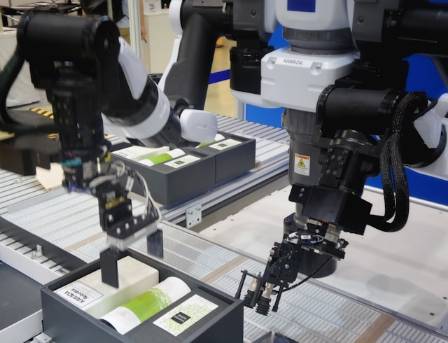
Modern manufacturing relies on flexible technological tools designed to scale alongside corporate growth. Cloud connectivity links facility systems with distant corporate networks and global supply chain partners. Public, private, and hybrid cloud architectures give managers full visibility over remote assets while powering predictive forecasting models. Artificial intelligence algorithms analyze complex operational streams to identify hidden patterns and automate resource allocation. Machine learning models continuously improve as they process more factory data, raising long-term operational precision. Big Data repositories store massive volumes of machine telemetry, providing the essential foundation for predictive modeling and performance optimization. Industrial Internet of Things networks connect physical machinery using unique digital identifiers and two-way data streams. Legacy analog equipment can be upgraded with retrofitted digital gateways to capture valuable operational signals. Digital twins create precise virtual replicas of physical equipment and production lines. Engineers use digital twins to run virtual simulations, test process changes, and confirm equipment compatibility without risking physical machinery or wasting raw materials. Additive manufacturing, also known as three-dimensional printing, builds complex parts layer by layer directly from digital design files. On-demand three-dimensional printing reduces physical inventory needs and helps facilities bypass external supply chain delays. Blockchain ledgers record supply transactions securely, enforce automated supplier contracts, and verify material origins across multi-tiered vendor networks. Modern in-memory databases and enterprise resource planning software process information instantly to harmonize factory execution with high-level corporate planning. Robotic process automation uses specialized software routines to perform repetitive physical tasks and administrative data logging, reducing human error and freeing employees for complex problem solving.
A Practical Seven Step Road Map to Smart Factory Transformation
Achieving a successful smart factory transformation requires a clear strategic approach tailored to specific corporate goals. The first step involves assessing current operational capabilities through a comprehensive audit of existing hardware, software, and data assets. This initial diagnosis highlights process bottlenecks and identifies legacy equipment that needs immediate modernization. The second step requires establishing clear business objectives, such as reducing unplanned machinery downtime or increasing daily output. Setting measurable targets ensures that every technology investment directly advances high-level corporate strategy. The third step focuses on building a connected data foundation by deploying industrial sensors, upgrading local networks, and implementing modern enterprise resource planning systems. The fourth step layers advanced analytical tools, artificial intelligence algorithms, and automated execution routines onto the connected data network. The fifth step recommends starting small by launching targeted pilot projects in high-impact operational areas. Testing predictive maintenance or automated material handling in small pilot programs yields rapid returns and builds internal support for broader rollouts. The sixth step prepares human workers for digital workflows through comprehensive training programs and change management initiatives. Employees shift from manual labor toward strategic system supervision, innovation, and high-level decision making. The seventh step monitors key performance metrics continuously to refine operational workflows, validate financial returns, and expand digital automation across additional manufacturing facilities.
Why Smart Factories Represent the Future of Global Industry
Smart manufacturing delivers a decisive competitive advantage in an unpredictable global marketplace. Interconnected technologies streamline daily operations while creating dynamic opportunities for process innovation. Facilities that adopt digital automation gain the agility needed to respond to changing consumer demands with complete confidence. Transforming traditional operations into intelligent ecosystems ensures long-term corporate resilience, enhanced productivity, and sustainable industrial growth.
यह भी पढ़ें

The Shocking Truth About The Ring Tailed Lemur
Pearson Daniel

सर्दियों के अजूबे: बर्फीले सफ़र के लिए आरामदायक केबिन
अक्षय

पुष्प चित्रकला के लिए एक शुरुआती मार्गदर्शिका: छह सरल चरण
कमलेश निराला

Best and Worst Fish for Your Health: A Comprehensive Guide to Seafood Choices
Evelyn

दुनिया की 13 सबसे प्रतीकात्मक वास्तुकलाएँ जिन्हें हर छात्र को देखना चाहिए
रिया

तीन ब्रेकफास्ट ब्रेड रेसिपी
सुरेश