Introduction: The Challenge of Hyper-Abundant Deer Populations
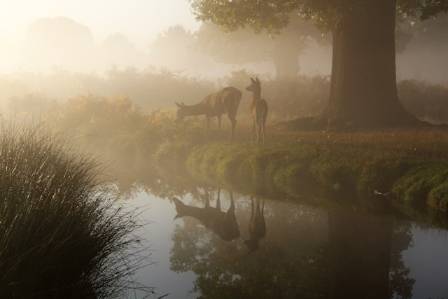
The Southern Gulf Islands of British Columbia are home to two deer species: the native Columbian black-tailed deer (Odocoileus hemionus columbianus) and the introduced fallow deer (Dama dama), whose populations have surged to historically unprecedented levels in recent decades. This dramatic increase stems from two key factors: the near-extirpation of native predators—including wolves, cougars, and bears—that once kept deer numbers in check, and a steady decline in human hunting pressure over the past century. For Galiano Island, part of this archipelago, the rise of hyper-abundant deer has become a critical ecological issue, recognized by researchers, local governments, and community organizations alike. Unlike mainland ecosystems, islands are closed systems with limited space and resources, making them particularly vulnerable to the cascading impacts of unchecked herbivore populations. The Galiano Conservancy Association (GCA) has taken a leading role in addressing this challenge, combining scientific research, traditional knowledge, and community collaboration to foster balanced stewardship that honors both the ecological role of deer and the health of island ecosystems.
The Roots of Deer Overabundance: A Perfect Storm of Ecological Shifts
The explosion of deer populations on Galiano Island is the result of a perfect storm of ecological and human-driven changes. For millennia, native predators like cougars and wolves maintained a natural balance, preying on deer and preventing overgrazing. However, as human settlements expanded across the islands, these apex predators were hunted or displaced, leaving deer with no natural population controls. Compounding this, human hunting—once a vital part of island life—has declined significantly over the past 100 years due to changing cultural norms, regulatory restrictions, and a shift away from subsistence living. Unlike mainland deer populations, which can disperse to new areas when resources are scarce, island deer are confined to limited habitats, leading to overcrowding as their numbers grow. This concentration has amplified their ecological footprint: with more deer competing for food, the pressure on native plants, insects, birds, and other species has become unsustainable. Scientific research, including studies by the UBC Conservation Decisions Lab, confirms that unchecked herbivore populations trigger trophic cascades—ripple effects that reduce habitat quality, diminish biodiversity, threaten sensitive species, and even compromise the health of the deer themselves, as overcrowding increases the risk of disease and malnutrition.
The Dual Nature of Deer: Ecological Benefits and Cultural Significance
Despite the challenges posed by hyper-abundance, deer remain an integral part of Galiano Island’s ecology and culture, offering both ecological services and deep social value. Ecologically, deer play a role in seed dispersal and nutrient cycling, as their dung fertilizes soil and their foraging can shape plant communities—when populations are balanced. Culturally, deer hold immense significance for Indigenous peoples, who have hunted them on the Gulf Islands for thousands of years as a source of food, medicine, and materials for tools and ceremonies. For contemporary island communities, deer provide a unique local source of high-quality, sustainable protein in a region that imports the vast majority of its food. Venison is prized for its leanness and flavor, and hunting remains a way for many to connect with the land and practice traditional skills. Beyond subsistence, deer are a beloved part of the island’s natural heritage, delighting residents and visitors alike with their graceful presence in forests and meadows. Recognizing these benefits is central to the GCA’s approach: rather than seeking to eliminate deer, the organization aims to reduce their population to ecologically sustainable levels that preserve both their cultural value and the health of the ecosystem.
Ecological Impacts: How Overabundant Deer Reshape Island Ecosystems
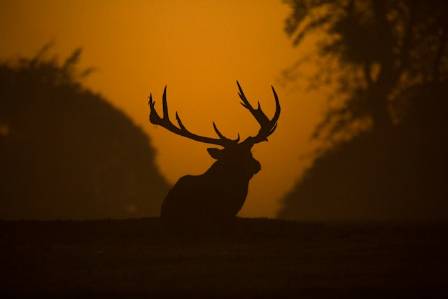
At current population densities, Galiano’s deer have profound and far-reaching impacts on the island’s biodiversity. Their insatiable browsing has led to the decline of numerous native plant species, including culturally important plants like camas and wildflowers, as well as key food sources for pollinators such as bees and butterflies. Deer prefer young saplings and tender shoots, preventing forest regeneration and altering the structure of woodlands—over time, this can lead to simplified forest ecosystems with fewer understory plants, reducing habitat for birds, small mammals, and insects. Songbirds, in particular, are vulnerable: many rely on dense underbrush for nesting and foraging, and the loss of these habitats has led to measurable declines in their populations. Even plant species once thought to be "deer-resistant" are now being browsed as food becomes scarce, disrupting long-established ecological relationships. The impacts extend beyond vegetation: as deer overgraze, soil erosion increases, and the quality of wetlands and meadows deteriorates, affecting amphibians, reptiles, and other aquatic species. Left unaddressed, these changes could lead to a permanent loss of biodiversity and a less resilient ecosystem, unable to adapt to climate change or other disturbances.
The GCA’s Comprehensive Stewardship Strategy: Research, Action, and Collaboration
To address deer overabundance, the Galiano Conservancy Association has developed a multifaceted, science-based strategy that integrates research, habitat protection, traditional knowledge, and community engagement. At the core of this approach is research and monitoring: the GCA has established permanent fenced and unfenced monitoring plots across different ecosystem types—forests, meadows, and wetlands—to track how deer browsing affects vegetation growth and biodiversity. These plots provide critical data on population thresholds, helping the GCA refine its management practices. Habitat protection is another key pillar: the organization installs fences around restoration sites and community gardens to allow native plants to grow without herbivory, and uses cage planting for individual trees and shrubs, giving young plants a fighting chance to mature. The GCA also prioritizes knowledge-sharing, collaborating with regional researchers, local governments, and other conservation organizations to share data and best practices. Public education is equally important: through workshops, trail guides, and community events, the GCA teaches residents about the ecological impacts of overabundant deer and how they can support stewardship efforts, from planting deer-resistant plants to participating in citizen science projects.
Honoring Traditional Knowledge: Indigenous Hunting and Cultural Stewardship
Central to the GCA’s strategy is the recognition and integration of Indigenous knowledge and rights, which have guided sustainable resource management on the Gulf Islands for millennia. Since 2020, the GCA has formalized a policy to promote and facilitate Indigenous harvest of plant and wildlife resources at its Millard Learning Centre, including deer hunting during fall and winter months. These hunts are coordinated with GCA staff to ensure public safety, with the Millard Learning Centre closed to visitors during hunting activities and advance notice provided to community members. The GCA also partners with Indigenous instructors on initiatives like the annual "Feed the People" workshop, launched in 2019 in collaboration with the Access to Media Education Society (AMES) and the Galiano Community Food Program. Led by Penelakut instructors Karen & Richard Charlie, Stephen Sylvester, and Baldie & Nicole Edwards, the workshop teaches participants how to butcher and preserve deer meat, honoring traditional harvesting practices while providing a local food source for the community. These efforts not only support cultural revitalization but also align with Indigenous principles of reciprocity and stewardship, ensuring that deer populations are managed in a way that respects both the land and its people.
Deer-Resistant Native Plants: A Guide for Gardeners and Restorers
For island residents and land stewards looking to protect their gardens and restoration projects, the GCA’s Native and Edible Plant Nursery offers a curated selection of deer-resistant native plants—species that deer are less likely to browse, even when food is scarce. These plants are adapted to Galiano’s climate and soil conditions, making them hardy, low-maintenance, and beneficial to local ecosystems. Examples include the Baldhip Rose (Rosa gymnocarpa), a drought-tolerant shrub with fragrant pink flowers and vitamin C-rich hips; the Evergreen Huckleberry (Vaccinium ovatum), an attractive shrub with waxy leaves and tasty blue berries; and Roemer’s Fescue (Festuca roemeri), a drought-tolerant bunchgrass that provides habitat for birds and insects. Other notable species include the Coastal Sagewort (Artemisia suksdorfii), used in traditional medicine and smudging; the Nodding Onion (Allium cernuum), whose onion-like aroma deters deer; and the Sword Fern (Polystichum munitum), a large fern that thrives in shaded areas. These plants not only resist deer browsing but also support biodiversity, providing food and shelter for pollinators, birds, and small mammals. The GCA’s nursery offers inventory lists and planting advice, helping residents create gardens and landscapes that are both beautiful and ecologically responsible.
Conclusion: Working Together for a Balanced Future
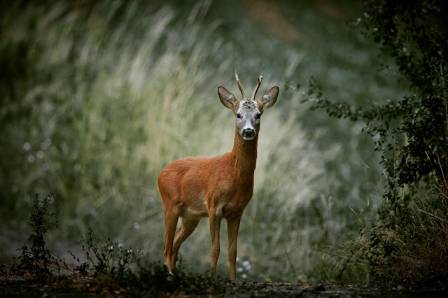
The challenge of hyper-abundant deer on Galiano Island is not one that can be solved by any single organization or individual—it requires collective action, rooted in science, traditional knowledge, and a shared commitment to stewardship. The Galiano Conservancy Association’s work demonstrates that balancing deer populations with ecosystem health is possible through a holistic approach that honors cultural values, protects biodiversity, and engages the community. From research and monitoring to Indigenous hunting programs and public education, every initiative is designed to foster a sustainable relationship between humans, deer, and the land. As Galiano Island faces ongoing pressures from climate change and human development, this balance has never been more important. By supporting the GCA’s efforts—whether through volunteering, planting deer-resistant native plants, or participating in educational programs—residents and visitors can play a role in ensuring that Galiano’s ecosystems remain healthy and resilient for generations to come. The future of the island’s deer and biodiversity depends on our ability to work together, embracing stewardship as a shared responsibility and a way of honoring the land that sustains us.