विशेष लेख
The Best Salt Flats From Around the World
A salt flat is a natural landform created when an ancient sea or lake becomes isolated and trapped inland. In hot and dry environments, water slowly evaporates over time, leaving behind a stunning layer of crystallized salt that forms a bright, reflective landscape.
Chloe Harrington
लेखक
लेख परिचय
नीचे पूरा लेख पढ़ें।
अनुभाग
समाचार
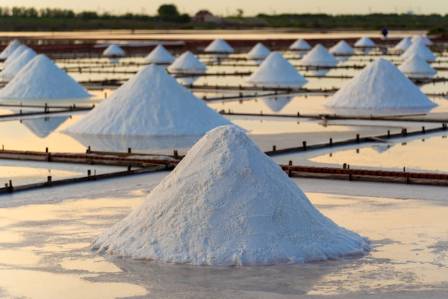
A salt flat is a natural landform created when an ancient sea or lake becomes isolated and trapped inland. In hot and dry environments, water slowly evaporates over time, leaving behind a stunning layer of crystallized salt that forms a bright, reflective landscape.
4. Etosha Pan, Namibia
The name Etosha comes from the Ndonga language and means “great white place,” which perfectly describes this enormous salt pan in southern Africa. Covering an area of around 4,800 square kilometers, Etosha Pan is famous for its vast white and greenish surface.
Because of the extremely dry climate, very few plants and animals can survive in this harsh environment. The main exception is blue-green algae, which creates the green tones visible across parts of the salty crust.
Although the region is usually dry, occasional heavy rainfall can dramatically change the landscape. During these rare wet periods, water collects on the surface of the pan and forms a shallow lake that is approximately 10 centimeters deep.
When this temporary lake appears, Etosha becomes an important breeding area for flamingos. Thousands of these birds gather there, transforming the normally empty salt plain into a remarkable natural habitat.
3. Bonneville Salt Flats, Utah, USA
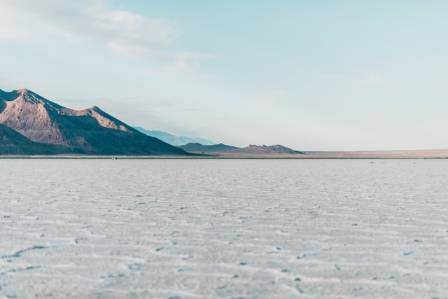
The Bonneville Salt Flats are the smallest destination on this list, covering only about 104 square kilometers, but they have achieved worldwide fame through their unusual landscape and cultural importance.
During the summer months, high evaporation rates remove most of the moisture from the surface, leaving behind an endless white salt plain that looks almost like a different world. Its unique appearance has attracted filmmakers and provided the setting for several major Hollywood movies, including Independence Day and Pirates of the Caribbean 3: At World’s End.
The salt flats are also well known for motorsports. Their incredibly flat and solid surface makes them an ideal location for speed trials and racing competitions, including international events focused on breaking land speed records.
With its combination of natural beauty and automotive history, the Bonneville Salt Flats have become one of the most recognizable salt landscapes in the United States.
2. Chott el Djerid, Tunisia
Fans of Star Wars may recognize Chott el Djerid as one of the landscapes used to portray Luke Skywalker’s desert planet of Tatooine.
Located in the Sahara Desert, Chott el Djerid is the largest salt pan in the region, covering an area estimated at about 6,000 square kilometers. Its vast, empty salt-covered terrain creates a dramatic environment that resembles an alien world.
Despite its beauty, the area can be dangerous. The hardened salt surface may appear stable, but it can crack under pressure, creating risks for vehicles and leaving travelers stranded in the remote desert.
The combination of its enormous size, extreme conditions, and otherworldly scenery makes Chott el Djerid one of the most impressive salt flats on Earth.
1. Salar de Uyuni, Bolivia
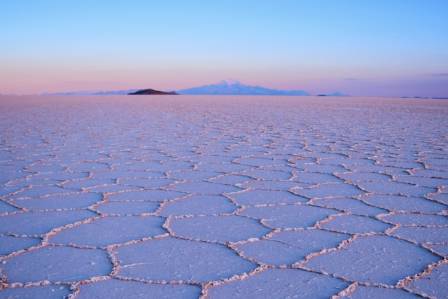
Salar de Uyuni is the largest salt flat in the world, stretching across an estimated 10,000 square kilometers. Its enormous scale and bright white surface create a breathtaking landscape that appears almost unreal.
This vast salt desert is also rich in valuable minerals. It contains around 10 billion tons of salt and holds approximately 43% of the world’s lithium reserves, making it one of Bolivia’s most important economic resources.
One of the most fascinating features of Salar de Uyuni is its incredible visual effect. During the rainy season, a thin layer of water covers the surface and turns the salt flat into a giant natural mirror that reflects the sky. Even when dry, the perfectly flat terrain allows visitors to create creative forced-perspective photographs.
Every year, thousands of tourists from around the world visit Salar de Uyuni to capture unusual images and experience the extraordinary beauty of this massive natural wonder.
यह भी पढ़ें

A Comprehensive Guide to Selecting the Ideal Men's Sweater
Rupert Hensley

बैंकॉक की 10 सबसे लोकप्रिय सड़कें
माला

Bridal Bouquet Style Guide
Tristan Hayes
प्राचीन कलाकृतियाँ आधुनिक वास्तुकला को कैसे प्रेरित कर सकती हैं
संजय

Crankworx New Zealand Levels Up for 2026: Christchurch Joins Rotorua as Dual World Tour Hosts
Magnus

Twelve Incredible Facts That Make Giant Pandas Absolutely Fascinating
Dawson Elliot