विशेष लेख
The Real Reason Blue Footed Boobies Have Bright Blue Feet and Other Mind Blowing Facts
Blue-footed boobies are truly remarkable seabirds. They look incredibly clumsy when walking on solid land. However they become amazingly agile once they take flight into the air. These birds belong to the scientific classification Sula nebouxii. People easily recognize them by their vibrant blue feet. They primarily reside on arid tropical and subtropical islands. These islands are located off the Pacific coast of South America. They represent one of six distinct species within the Sula genus. These creatures often lounge lazily on surfaces near the water. They show almost no fear or caution around human visitors. Large populations of these birds gather in Mexico's Gulf of California. You can also find them throughout Peru and across the Galápagos Islands. They are captivating creatures to watch in the wild. Entire flocks will collectively plunge from great heights into schools of fish beneath the surface.
Kennedy Emma
लेखक
लेख परिचय
नीचे पूरा लेख पढ़ें।
अनुभाग
समाचार
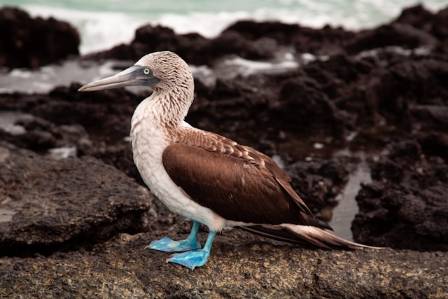
Blue-footed boobies are truly remarkable seabirds. They look incredibly clumsy when walking on solid land. However they become amazingly agile once they take flight into the air. These birds belong to the scientific classification Sula nebouxii. People easily recognize them by their vibrant blue feet. They primarily reside on arid tropical and subtropical islands. These islands are located off the Pacific coast of South America. They represent one of six distinct species within the Sula genus. These creatures often lounge lazily on surfaces near the water. They show almost no fear or caution around human visitors. Large populations of these birds gather in Mexico's Gulf of California. You can also find them throughout Peru and across the Galápagos Islands. They are captivating creatures to watch in the wild. Entire flocks will collectively plunge from great heights into schools of fish beneath the surface.
The True Secret Behind Their Brilliant Blue Feet
The unique color of their feet comes directly from their diet. They absorb special nutrients from the fresh fish they consume. This vibrant blue pigment serves as a clear indicator of their current nourishment. A more intense blue shade means the bird enjoys excellent health.
How These Birds Earned a Silly Name
The common name of this avian species has a funny origin. It comes directly from the Spanish word bobo. This word translates to silly or foolish in English. These birds tend to show a complete lack of regard for potential danger. This trusting nature makes them highly vulnerable at times.
The High Flying Diet of a Marine Hunter
Fresh fish makes up the vast majority of their daily food intake. These birds mostly hunt together in large groups. They plunge into schools of fish from heights reaching up to one hundred feet. They can even catch swift flying fish directly mid-air. Their diet includes plenty of sardines and anchovies. They also consume mackerel and occasional squid or offal. They possess specialized internal air sacs. These sacs protect their brains from the intense pressure of hitting the water. This biological feature allows them to dive eighty feet below the surface to catch their meals.
An Elaborate Extravagant Courtship Dance
These seabirds associate bright feet with youth and fertility. They also link the color to better competence in raising young chicks. They look closely at foot color when choosing a potential partner. A male will flash his bright feet after selecting a female to court. He exaggerates his walking style by taking higher and wider steps in front of her. Both birds perform a unique courtship dance before mating. This behavior is officially known as displaying. It involves tilting their sharp beaks toward the sky and raising their wings high.
Severe Threats in a Changing Ocean Environment
Global climate change poses a massive risk to these creatures. Ocean acidification is also accelerating rapidly. These environmental shifts put many seabirds in great danger of harm. Their primary food sources face the greatest risk of disappearing.
Spotting the Key Differences Between Males and Females
Female birds are slightly larger than their male counterparts. This larger size allows them to plunge into much deeper waters. They can also carry a larger amount of food back home. Males possess larger tails and noticeably smaller pupils. Females also tend to display much brighter blue feet than the males.
Laying Pale Eggs Straight on the Bare Ground
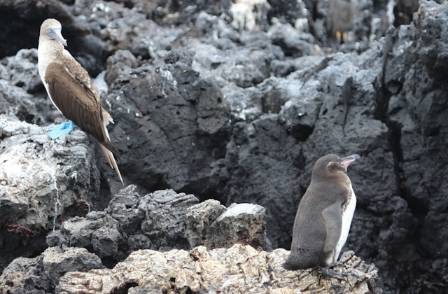
These creatures lay their pale bluish eggs directly on the ground. They do not construct a traditional nest. The male and female take turns keeping the eggs warm. They use their large webbed feet to insulate the eggs during the incubation period. Mothers initially lay two or three eggs. Usually only one or two chicks will successfully hatch. The parent birds defecate frequently during the incubation phase. This leaves a white circle of waste around the nesting site. This material is commonly known as guano.
Bizarre Methods to Keep Cool in Extreme Heat
These birds rely on evaporative cooling to lower their body temperature. This method uses natural evaporation to cool the surrounding air. They rapidly vibrate the small bones inside their throats. This action flutters the surrounding skin to release excess heat. They also utilize a shocking cooling mechanism called urohidrosis. This process involves defecating and urinating directly onto their own feet to cool down.
Piercing Whistles and Unique Communication Signs
These seabirds communicate with one another through a variety of sounds. They utilize unique grunts and loud whistles. These vocalizations can sound very piercing to human ears. The calls often contain multiple syllables. Both males and females can easily identify the specific call of their own mate among a massive crowd of other birds.
यह भी पढ़ें

लाइम पार्क को अपनी यूके यात्रा सूची में शामिल करने के 7 कारण
नवीन

2025 Men’s Fashion Trends: Comfort, Sustainability & Timeless Style by Petrol Industries
Benjamin
पैरासेलिंग के बारे में आपको जो कुछ भी जानना चाहिए
हरीश
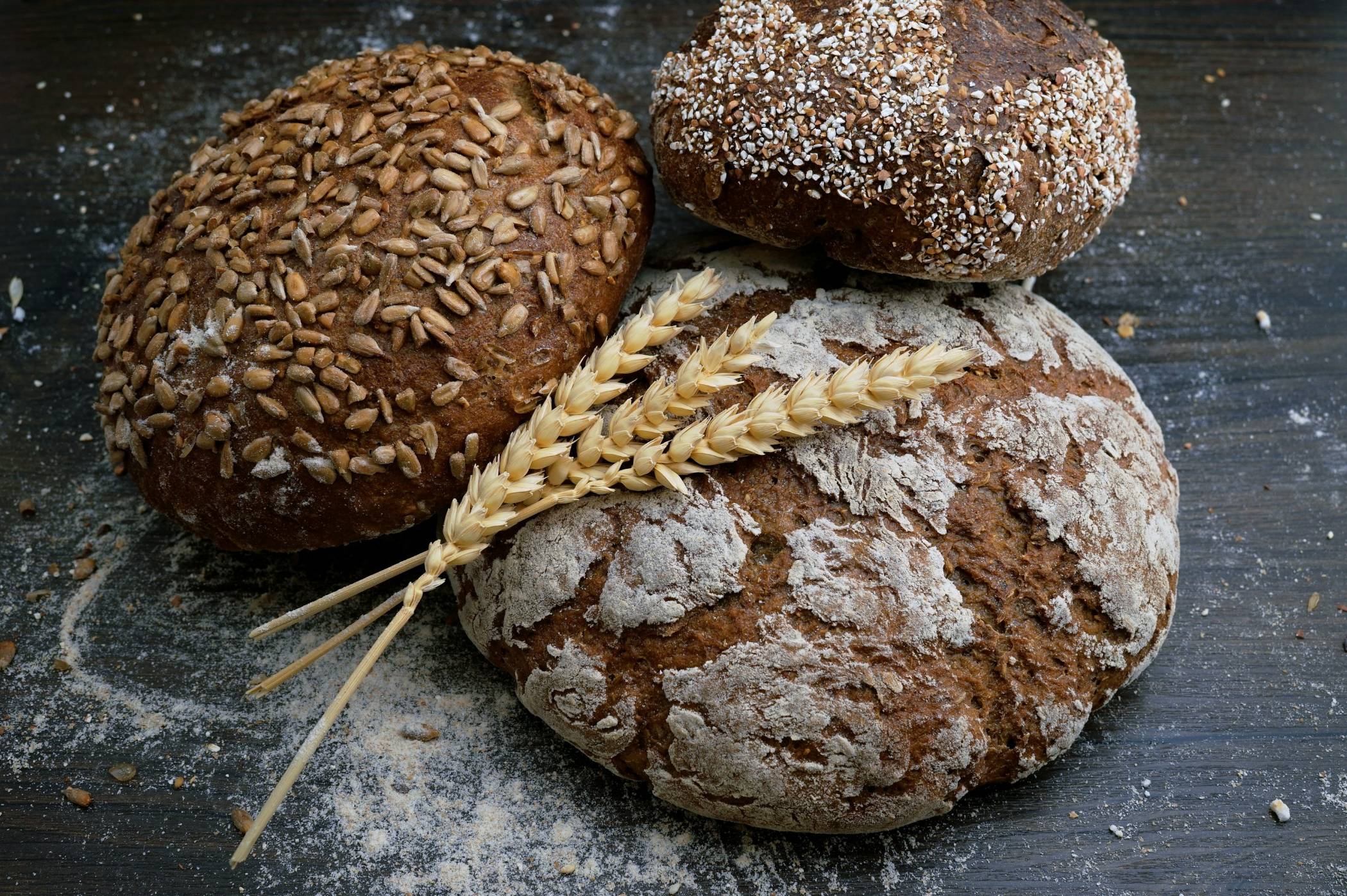
तीन ब्रेकफास्ट ब्रेड रेसिपी
सुरेश

गर्मी के उत्सवों के लिए पौष्टिक पास्ता सलाद
परमजीत गिल

रोम में कोलोसियम घूमने के लिए 10 बेहतरीन सुझाव
कृष्ण