← मुखपृष्ठ4 मिनट का पाठ
विशेष लेख
Japan’s 6 Signature Crab Varieties: Origins, Seasons, and How to Serve Them
Simmered in nabemono (hot pot), shredded over rice bowls, or served whole steamed — Japanese crab dishes are a highlight for any seafood lover. Three regions dominate the country’s high-quality crab harvest, and while top-grade specimens can fetch millions of yen at auction, budget-friendly picks abound if you know what to look for.
S
Stella Ellis
लेखक
लेख परिचय
नीचे पूरा लेख पढ़ें।
अनुभाग
समाचार
Simmered in nabemono (hot pot), shredded over rice bowls, or served whole steamed — Japanese crab dishes are a highlight for any seafood lover. Three regions dominate the country’s high-quality crab harvest, and while top-grade specimens can fetch millions of yen at auction, budget-friendly picks abound if you know what to look for.
The 3 Premier Crab Regions in Japan
While Hokkaido is globally recognized for its winter crab harvest, the Hokuriku and San’in regions along the Sea of Japan coast are equally celebrated among domestic gourmands:
-
San’in: Covers the northern Chugoku region facing the Sea of Japan, with Tottori and Shimane prefectures leading high-end production.
-
Hokuriku: Stretches along western Japan’s Sea of Japan coast, covering Fukui, Toyama, and Ishikawa prefectures — home to luxury varieties like Ishikawa’s Kano-gani and Fukui’s Echizen crab, thanks to the sea’s cold, calm waters.
-
Hokkaido: Surrounded by the Sea of Okhotsk, Pacific Ocean, and Sea of Japan, it boasts the richest crustacean diversity in Japan, with crab a staple winter delicacy.
1. Red King Crab (Tarabagani)
Nicknamed the “King of Crabs,” this is the largest king crab variety, with individuals growing over 1 meter long. It inhabits cold Pacific waters, especially the Sea of Okhotsk (many are imported from Russia), though Japanese crab season also sees large harvests from Wakkanai Port at Hokkaido’s northern tip. The crab is a dull brown when raw, turning vivid red when cooked — hence its name. Peak season runs April–June and November–February. Its meat is thick, chewy, and succulent, best suited to simple preparations that let the texture shine.
2. Blue King Crab (Aburagani)
Slightly smaller than its red counterpart, with a shell width of around 20 cm, the blue king crab has a longer fishing season, making it a more affordable alternative. It has a blue-tinged shell when raw, and is found in the Sea of Japan, Bering Sea, and Sea of Okhotsk. When served perfectly fresh, its flavor rivals that of red king crab — ideal for crab lovers who want to eat their fill without the premium price tag.
3. Snow Crab (Zuwaigani)
Smaller than king crab (even large males measure around 70 cm), snow crab is caught in the deep Sea of Japan, usually at depths of 200–400m or more. Its meat is prized for being succulent, creamy, and tender. After eating the raw or boiled meat, the innards are traditionally used to flavor zosui (rice porridge), simmered dishes, pasta, or gratin.
Male snow crab is branded by catch region: crabs caught in Kyoto, Hyogo, or Tottori are called Matsuba-gani (松葉がに), while those from Fukui are labeled Echizen-gani (越前がに). Females are called Seiko or Kobako, valued for their bright orange roe, which makes an excellent rice topping. Peak season runs November–March, making it a nationwide winter staple.
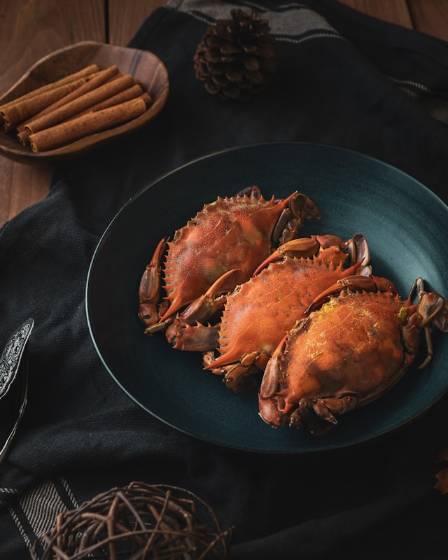
4. Horsehair Crab (Kegani)
Also called “hairy crab” for its short, bristled legs, this smaller variety averages 400–600g, with extra-large specimens reaching 700–900g. It’s one of the most popular picks in Japanese home cooking: affordable, rich in creamy innards and sweet meat, with shorter, fatter legs than king crab varieties. Its peeled shell makes an excellent seafood stock base.
5. Hanasaki Crab (Hanasakigani)
A “phantom” variety found almost exclusively in Nemuro, Hokkaido, and a few other eastern Hokkaido coastal towns, this is a smaller member of the red king crab family with a shell only 15 cm long. Its name has two origins: it turns a bright blooming red when cooked (hana = flower, saki = bloom), and it is primarily landed at Hanasaki Port. Nemuro hosts an annual festival to mark the start of the season, with dozens of crab dishes to sample. It’s prized for the sweet meat and the rich roe found in females.
6. Japanese Spider Crab (Taka-ashi-gani)
Literally “tall-legged crab,” this species looks almost sci-fi: its leg span can reach up to 4 meters, making it the largest crustacean in the world. It lives in deep waters, so it is not widely fished and is considered a high-end delicacy in Japan. Most catches come from Shizuoka Prefecture, especially the Toda area facing Suruga Bay, where restaurants and specialty shops serve it as sashimi or boiled whole.
How to Order and Eat
The key to enjoying Japanese crab is matching the variety to the preparation:
-
King crab’s meaty, chewy texture shines when grilled, boiled, or used in crab shabu-shabu with vegetables and tofu.
-
Fresh snow crab has a subtle sweetness that makes it perfect for sashimi.
-
Affordable hairy crab is versatile: eat the meat as-is, or use it in hot pot, pasta, or gratin.
-
Never toss the shells: they make an incredible stock for nabemono, zosui, miso soup, or other simmer dishes, so you can squeeze every bit of flavor out of your crab.
यह भी पढ़ें
en
Gourmet Garlic Shrimp with Fragrant Rice Pilaf
Nathaniel Brooks

hi
1994 सुपरट्यूनर शोडाउन: आफ्टरमार्केट मॉन्स्टर्स
श्रेयस्
hi
नारियल और हथेलियाँ: थाई जीवन का एक अभिन्न अंग
अर्जुन

hi
डंडेलियन के लाभ: पोषण, एंटीऑक्सीडेंट और सूजन
ऋषि
hi
दुनिया के 10 मनमोहक झूले जहाँ नज़ारे लुभाते हैं
विक्टोरिया
en
The Real Reason Blue Footed Boobies Have Bright Blue Feet and Other Mind Blowing Facts
Kennedy Emma