विशेष लेख
An Overview of the Redshank: Characteristics and Habitat
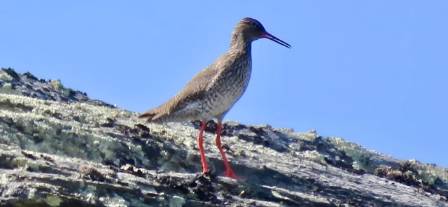
The Redshank, scientifically known as Tringa totanus, is a prevalent wading bird found throughout Scotland as both a permanent resident and a seasonal traveler. This graceful, mid-sized shorebird possesses a relatively long neck and a straight beak that transitions from a red base to a dark tip. Its most defining physical trait is its pair of vibrant red-orange legs, which extend past its tail during flight. Observers can also identify the bird by the broad white bands on the back edges of its wings and a distinct white "V" pattern on its back, markings that are unique among its wading relatives.
Zachary Hollis
लेखक
लेख परिचय
नीचे पूरा लेख पढ़ें।
अनुभाग
समाचार
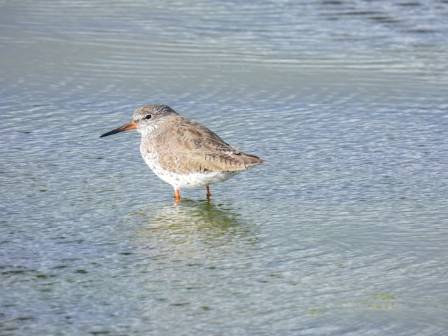
The Redshank, scientifically known as Tringa totanus, is a prevalent wading bird found throughout Scotland as both a permanent resident and a seasonal traveler. This graceful, mid-sized shorebird possesses a relatively long neck and a straight beak that transitions from a red base to a dark tip. Its most defining physical trait is its pair of vibrant red-orange legs, which extend past its tail during flight. Observers can also identify the bird by the broad white bands on the back edges of its wings and a distinct white "V" pattern on its back, markings that are unique among its wading relatives.
Behavioral Traits and Feeding Habits
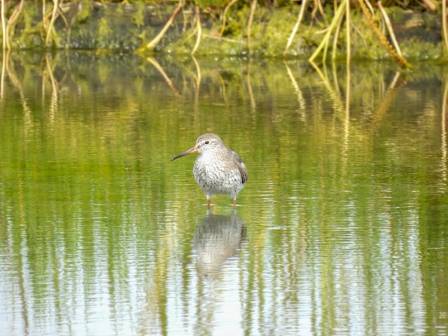
Known for being cautious and vocal, Redshanks act as the alarm system of the shoreline. Similar to oystercatchers, they frequently alert other wildlife to potential threats with a loud, piping whistle that sounds like "teu-tu-tu." This alarm is often sustained during flight as a rapid series of "kyip-kyip-kyip" notes, meaning the birds are frequently heard long before they come into view. Their diet primarily consists of small invertebrates, which they find by pecking or probing into mudflats and tidal zones. When inhabiting inland wetlands, they focus on earthworms and the larvae of crane flies.
Conservation Status and Environmental Threats
In the United Kingdom, the Redshank is currently placed on the Amber List for conservation concern. The primary threat to its survival is the disappearance of both nesting and wintering environments. This habitat loss stems from several factors, including the intensification of farming, drainage of wetlands, industrial expansion, and land reclamation. Additionally, rising sea levels pose a risk by flooding the salt marshes and inter-tidal zones where these birds thrive. Redshanks also face pressure from natural predators such as foxes, crows, and weasels, and they are particularly vulnerable to periods of extreme cold during the winter months.
Distribution and Nesting Patterns
The Redshank is a widespread migrant across Scotland, with particularly high concentrations found in the Northern Isles, the Outer Hebrides, and various Scottish firths during the winter. While they prefer coastal areas like rocky beaches and estuaries in the colder months, they move to damp grasslands, moors, and marshes for breeding. These birds exhibit strong site fidelity, often returning to the exact same nesting location annually. The nest itself is usually a discreet hollow or scrape hidden at the base of a grass clump. Typically, they lay three to four eggs and may nest alone or in small, scattered groups.
Key Facts and Regional Importance
The Redshank holds the title of the most common sandpiper species within Europe. Interestingly, the male of the species is responsible for constructing the nest and shows a stronger loyalty to specific breeding territories than the female. The Scottish population is of significant regional importance, accounting for approximately 40% of all breeding Redshanks in the United Kingdom. While the species is of "Least Concern" globally according to the IUCN, local populations are bolstered each winter by significant numbers of birds migrating from Iceland and the Faroe Islands.
यह भी पढ़ें

कोप्सिया कैसे उगाएँ और उसकी देखभाल कैसे करें
अनिकेत
घने जंगलों में छिपे आकर्षक जीवंत पुल
पद्मा
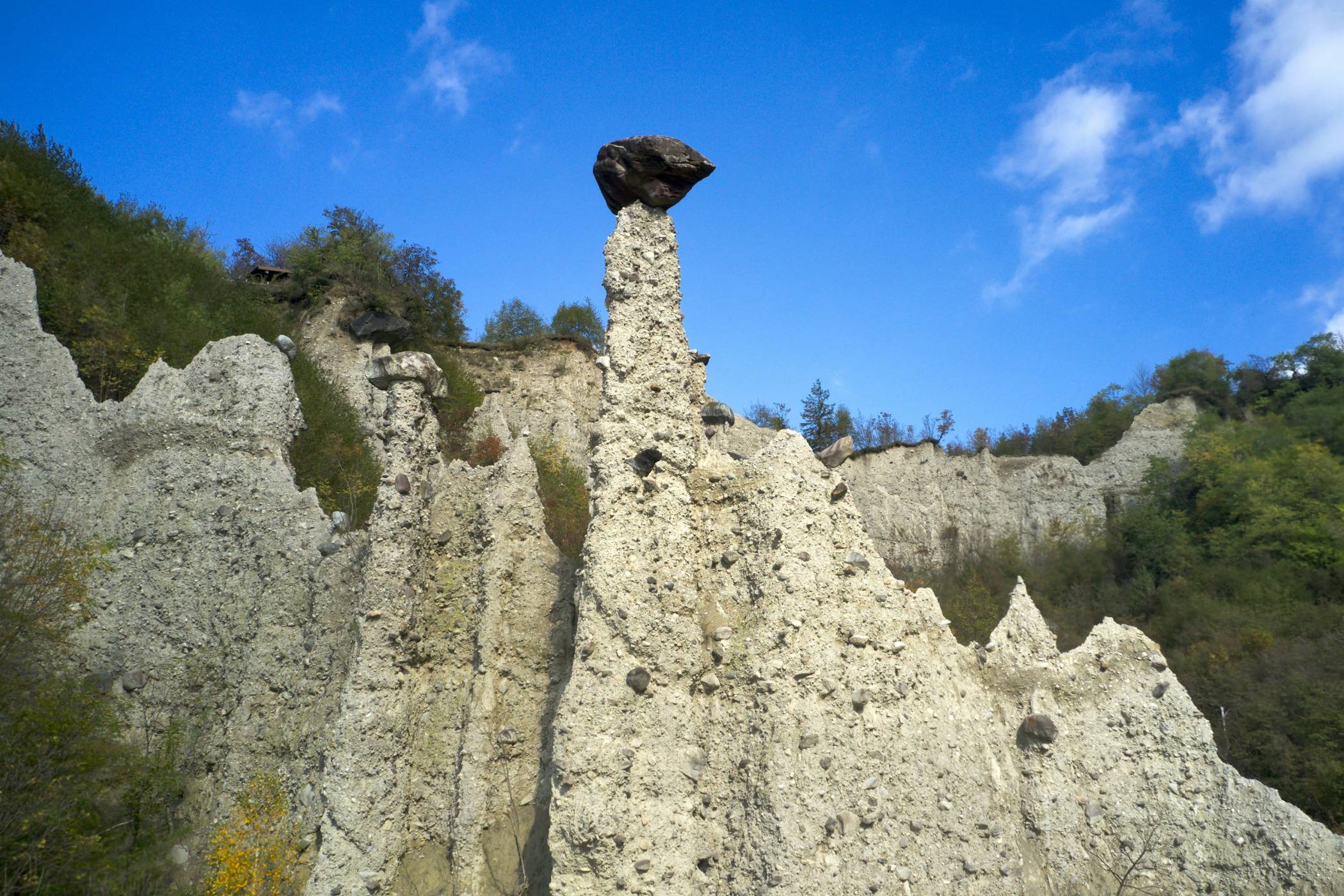
कप्पाडोसिया में परी चिमनी - प्रकृति की अवास्तविक मूर्तियाँ
गगन

दुनिया की सबसे पतली स्काईस्क्रेपर: स्टाइनवे टावर
सुष्मा
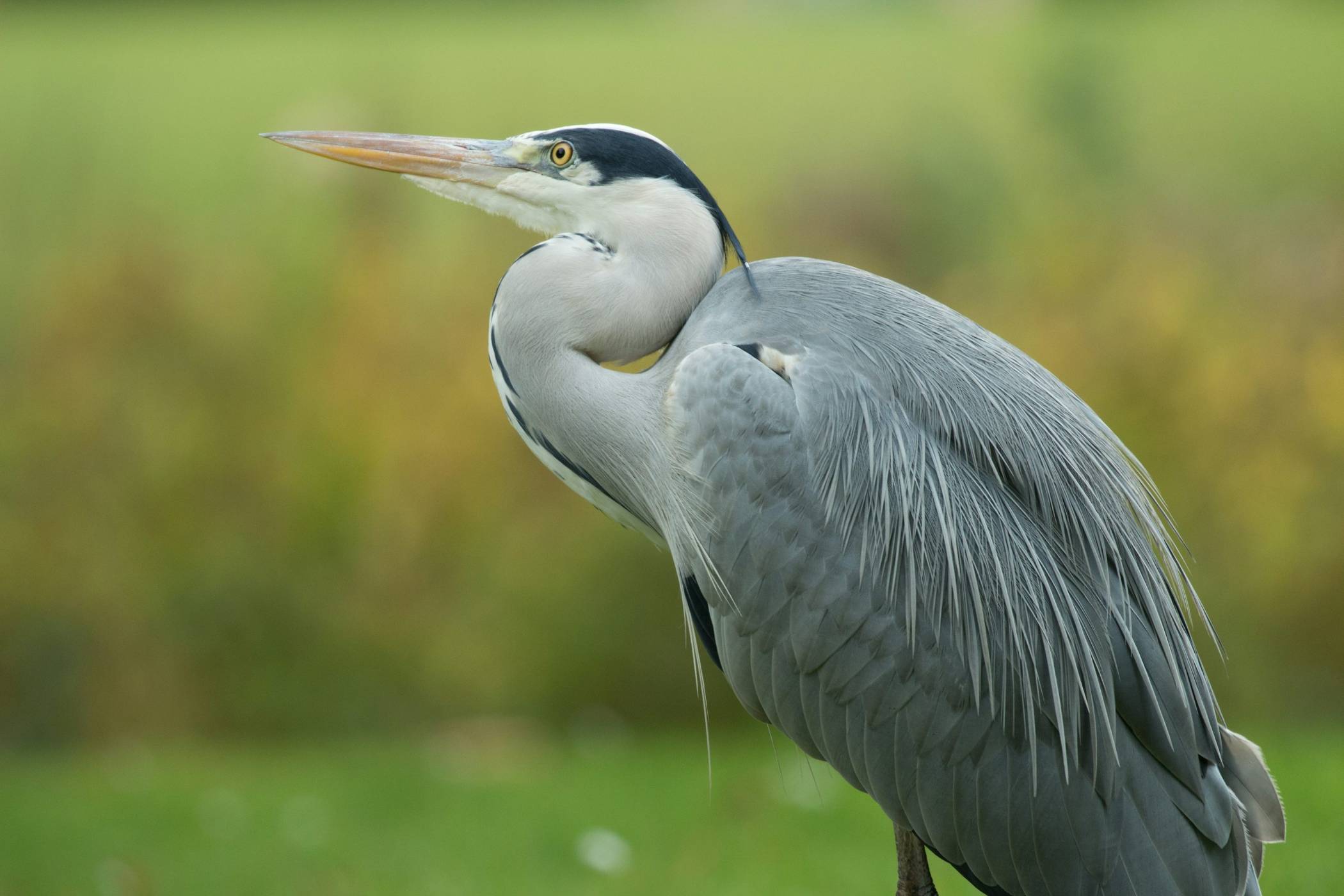
ग्रे हेरॉन
राजीव

बाहरी कैम्पिंग का मार्गदर्शिका बाहरी कैम्पिंग का अंतिम मार्गदर्शिका: टिप्स, ट्रिक्स, और आवश्यकताएँ
सिद्धार्थ