विशेष लेख
Smart city
A smart city is an urban development model that combines advanced technology, human expertise, and effective governance to create a more sustainable, efficient, and inclusive environment for its residents.
Ethan Joseph Anderson
लेखक
लेख परिचय
नीचे पूरा लेख पढ़ें।
अनुभाग
समाचार
A smart city is an urban development model that combines advanced technology, human expertise, and effective governance to create a more sustainable, efficient, and inclusive environment for its residents. Often regarded as the future of urban living, smart cities use digital technologies to collect, process, and analyze information from a variety of sources, including citizens, sensors, connected devices, buildings, and surveillance systems. The goal is to improve the quality of life while making city operations more responsive and resource-efficient.

Smart city technologies can be applied to many aspects of daily life and public services. Common examples include intelligent transportation systems, energy grids, water distribution networks, waste management, public safety programs, healthcare facilities, educational institutions, libraries, and other community services. By gathering and utilizing real-time data, city authorities can better understand urban conditions, identify problems quickly, and make informed decisions that improve overall performance.

The foundation of a smart city is built on the close integration of people, technology, and operational processes. Information and Communication Technologies (ICT) together with Internet of Things (IoT) devices enable different sectors—such as transportation, healthcare, education, infrastructure, and public administration—to communicate and work together more effectively. This interconnected approach helps streamline operations, reduce costs, conserve resources, and deliver better services to residents.
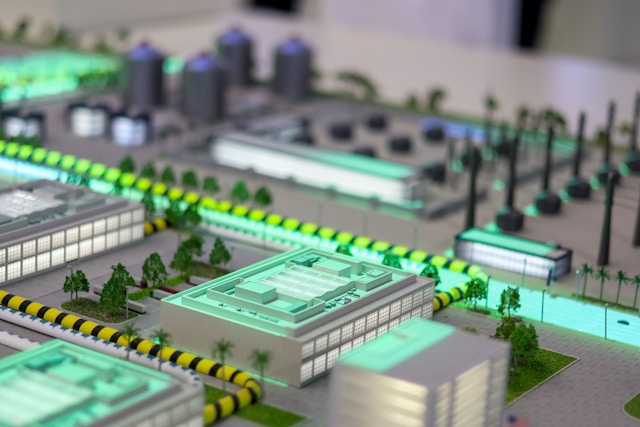
Another important characteristic of smart cities is data-driven governance. Local governments continuously monitor and evaluate urban activities through digital platforms and analytical tools. At the same time, data is often shared with businesses, researchers, and citizens, allowing different stakeholders to develop innovative solutions and gain value from the information. This collaborative ecosystem encourages greater transparency, civic engagement, and economic growth.
Because smart city systems can monitor conditions in real time, they are often able to respond more rapidly to challenges such as traffic congestion, environmental issues, infrastructure failures, or public emergencies. As a result, smart cities may be better equipped to address complex urban problems than cities that rely on traditional management approaches. Although there is no single definition of a smart city and the concept can vary across regions, many cities around the world have already adopted smart technologies as part of their efforts to create more connected, resilient, and sustainable communities.
यह भी पढ़ें

Most Elite And Rare Supercars In The World
Eric Kai

एक बेहतरीन स्पोर्ट्स कार क्या होती है?
राहुल

Distinguishing Modern from Contemporary Art: A Deeper Insight
Violet Luna

अगर आपको शांति और आराम की ज़रूरत है, तो 11 बेहतरीन जगहें
ऋषभ

आइए कुछ समय के लिए शहरी भीड़ से बचें!
पल्लवी

Crankworx New Zealand Levels Up for 2026: Christchurch Joins Rotorua as Dual World Tour Hosts
Magnus