विशेष लेख
Swiss Roll Facts for Kids: The Delicious Spiral Cake Sensation
If you’ve ever bitten into a soft, sweet cake rolled into a perfect spiral, chances are you’ve tried a Swiss roll! Also known as a jelly roll or roll cake, this beloved dessert is loved by kids and grown-ups alike for its light texture, tasty fillings, and fun shape. But wait—did you know it might not actually be from Switzerland? Or that it has inspired names in science and is enjoyed in almost every country around the world? Let’s dive into the wonderful world of Swiss rolls, from their mysterious origins to global variations, easy-to-understand facts, and even how to make a simple version at home. Whether you’re a fan of jam, cream, or exotic flavors like coconut or purple yam, there’s so much to discover about this spiral-shaped treat!
Daniel Young
लेखक
लेख परिचय
नीचे पूरा लेख पढ़ें।
अनुभाग
समाचार
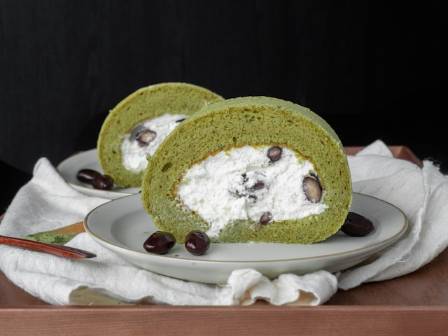
What Is a Swiss Roll?
The History of the Swiss Roll: A Spiral Journey Through Time
Swiss Rolls Around the World: Global Variations
-
Germany: Called Bisquitrolle (sponge roll), they’re often named after their fillings, like Zitronenrolle (lemon roll) or Erdbeerrolle (strawberry roll).
-
Czech Republic: Known as roláda or piškotová roláda, you can find them in pastry shops (cukrárna) with flavors like chocolate, cream, coconut, nuts, fruit, or jam.
-
Hong Kong: Introduced during British rule, Hong Kong-style Swiss rolls are lighter in taste than Western versions. Popular types include plain whipped cream, chocolate, and special swirled egg-chocolate layers, with fillings like strawberry, coffee, or orange. Overseas Chinatowns (like in the US) also sell “tiger rolls” (虎皮蛋糕卷), with a golden, striped egg yolk outer layer and white cream filling.
-
India: Often called “jam rolls,” they’re a common bakery treat with simple jam fillings.
-
Indonesia: Known as bolu gulung, they’re sold daily in bakeries, filled with buttercream, cheese, or fruit jam—available by the slice or whole roll.
-
Italy: In Sicily, near Caltanissetta, there’s a special version called rollò, made with chocolate sponge, ricotta cheese, and marzipan.
-
Japan: Called “roll cake,” they’re usually filled with whipped cream and fresh fruits like strawberries, often served as a elegant dessert.
-
Latin America: Names and fillings vary widely: Colombia calls it pionono or brazo de reina (queen’s arm) with guava jam or caramel sauce; Argentina, Uruguay, and Peru use pionono with dulce de leche; Chile’s brazo de reina is dusted with powdered sugar; Puerto Rico and Venezuela call it brazo de gitano (gypsy’s arm) with cream, chocolate, or fruit; Brazil uses rocambole; Mexico calls it nino envuelto (wrapped child); and Ecuador and Guatemala use brazo gitano.
-
Southeast Asia: Flavors get creative here, with kaya (coconut jam), pandan, taro, sweet potato, and even local fruits like durian, mango, and cempedak.
-
Philippines: Known as pionono (or “cake rolls” due to American influence), traditional versions have sugar and butter fillings, while modern ones include ube (purple yam) with macapuno (coconut), mango with cream, or brazo de Mercedes (meringue roll with custard filling).
-
Portugal: Called tortas on menus, these are Swiss rolls filled with jam (not the tarts you might expect!).
-
Nordic Countries: Denmark, Norway, and Sweden use roulade, rullade, or rulltårta (roll cake). Sweden’s drömrulltårta (dream roll) uses potato flour and buttercream, and some versions have banana or marzipan.
-
Spain: Known as brazo de gitano (gypsy’s arm), filled with cream, jam, cocoa, or nuts.
-
Switzerland: Even though it’s named after Switzerland, the dessert isn’t native here! It’s called Biskuitroulade (German), gâteau roulé (French), rotolo (Italian), or rullada (Rumantsch).
-
United Kingdom: A teatime favorite, with supermarket versions in chocolate, lemon, or jam (the most popular). “Caterpillar cakes” are Swiss rolls decorated to look like caterpillars—Marks and Spencer’s Colin the Caterpillar is famous!
-
United States: Pastry chefs use the French term roulade, and popular commercial brands include Ho Hos and Yodels (single-serve rolls). Ice cream-filled versions are called “ice cream cake rolls,” usually with chocolate cake and vanilla ice cream.
Fun Facts About Swiss Rolls
-
Name Mystery: Despite the name, Swiss rolls probably didn’t originate in Switzerland—most historians point to Central Europe, like Austria. The name might have come from 19th-century marketing to make the cake sound exotic!
-
Science Inspiration: The spiral shape of the Swiss roll inspired the name of a “Swiss roll metamaterial” in electromagnetics and optics—scientists use this spiral design for advanced technology!
-
Christmas Connection: A special type of Swiss roll called a Yule log (or bûche de Noël in French) is a popular Christmas dessert, decorated to look like a piece of firewood.
-
Portable Treat: Swiss rolls are perfect for picnics, lunchboxes, or parties because they’re easy to carry and slice into individual portions.
-
Versatile Fillings: You can put almost anything inside a Swiss roll! From classic jam and cream to modern fillings like Nutella, caramel, fresh fruit, or even cheese.
How to Make a Simple Swiss Roll at Home (Kid-Friendly Recipe)
Ingredients (Serves 4-6)
-
3 large eggs
-
100g caster sugar (plus extra for dusting)
-
80g plain flour
-
1 tsp baking powder
-
Pinch of salt
-
2 tbsp milk (optional, for moisture)
-
Filling: 200ml whipped cream (or buttercream) + 3 tbsp jam (strawberry, raspberry, or your favorite)
-
Icing sugar (for dusting, optional)
Instructions
-
Prep: Preheat the oven to 180°C (350°F) and line a 25x30cm baking tray with parchment paper. Dust the paper lightly with sugar.
-
Make the sponge: In a large bowl, whisk the eggs and caster sugar together until pale, fluffy, and doubled in size (about 5 minutes with an electric whisk, or 10 minutes by hand). Sift in the flour, baking powder, and salt, then gently fold everything together with a spatula (don’t overmix—this keeps the sponge light!). Add milk if the mixture is too thick.
-
Bake: Pour the mixture into the prepared tray and spread it evenly. Bake for 10-12 minutes until the sponge is golden and springs back when touched.
-
Roll: While the sponge is still warm, place a clean tea towel dusted with sugar on top. Flip the sponge onto the towel, peel off the parchment paper, and roll the sponge up tightly with the towel (this helps it keep its shape later). Let it cool completely (about 30 minutes).
-
Fill: Unroll the cooled sponge carefully. Spread the jam evenly over the surface, then top with whipped cream. Roll the sponge up again without the towel, making sure it’s tight but not too firm.
-
Serve: Dust the top with icing sugar (if you like) and slice into rounds. Enjoy immediately or chill in the fridge for up to 2 days!
Swiss Rolls in Culture and Festivals
Why Kids Love Swiss Rolls
Conclusion: The Timeless Appeal of Swiss Rolls
यह भी पढ़ें

पुरुषों की जैकेटों के लिए मास्टर गाइड: स्टाइल और कार्यक्षमता को निखारें
राजकुमारी सैन

Ten Ultimate Performance Cars From The Golden Age Of American Muscle
Thomas Parker

मुआय थाई बनाम ब्राज़ीलियन जिउ-जित्सु
आशा

ब्लैक-टेल्ड गॉडविट
सौरभ

हमारे समाज में घोड़ों की बदलती भूमिका
एकता

पर्वतीय झीलों की निगरानी
चांदनी