विशेष लेख
The Empire State Building and Its Historical Journey of Innovation and Fire Protection
Very few architectural masterpieces across the globe seize human curiosity as profoundly as the iconic skyscraper dominating midtown Manhattan. Soaring one thousand four hundred and fifty-four feet into the sky, this structure has remained a definitive monument of the ambition and fortitude of New York City ever since its grand opening in nineteen hundred and thirty-one. While its beautiful art-deco styling and legendary cultural status are celebrated on a global scale, the deep history of the tower is also intimately bound to critical breakthroughs in life safety and fire suppression elements which have successfully guaranteed that it remains both an incredible engineering triumph and a secure sanctuary for the countless millions of individuals who step through its doors over the generations.
Cordelia Fairchild
लेखक
लेख परिचय
नीचे पूरा लेख पढ़ें।
अनुभाग
समाचार
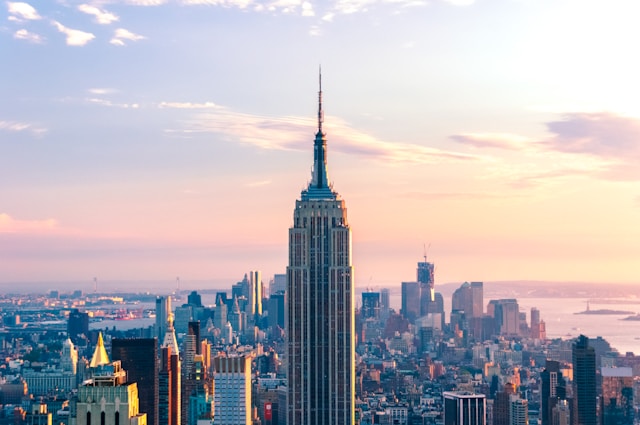
Very few architectural masterpieces across the globe seize human curiosity as profoundly as the iconic skyscraper dominating midtown Manhattan. Soaring one thousand four hundred and fifty-four feet into the sky, this structure has remained a definitive monument of the ambition and fortitude of New York City ever since its grand opening in nineteen hundred and thirty-one. While its beautiful art-deco styling and legendary cultural status are celebrated on a global scale, the deep history of the tower is also intimately bound to critical breakthroughs in life safety and fire suppression elements which have successfully guaranteed that it remains both an incredible engineering triumph and a secure sanctuary for the countless millions of individuals who step through its doors over the generations.
Erecting a Colossus During the Great Depression Era
The remarkable tale of this skyscraper began during one of the most economically devastating eras in American history, known globally as the Great Depression. Groundbreaking commenced in March of nineteen hundred and thirty, and the entire structure reached completion by May of nineteen hundred and thirty-one, representing a truly astonishing industrial feat given that it required just over twelve months to build what immediately became the tallest artificial structure on earth. During this period, the metropolitan landscape of New York was locked in an intense vertical race for dominance, as alternative developments like the Chrysler Building had briefly claimed the global height record in nineteen hundred and thirty, prompting rival real estate developers to constantly outdo each other with monuments that pierced the low-hanging clouds. This new tower easily eclipsed all nearby competitors, reaching an initial roof height of one thousand two hundred and fifty feet before accounting for its famous mooring mast.
The building did not merely surpass its contemporary rivals by a minor distance; rather, it soared hundreds of feet past its closest competitors to instantly transform the municipal skyline. For nearly four decades, spanning from its initial opening in nineteen hundred and thirty-one until the final construction of the World Trade Center North Tower in nineteen hundred and seventy, this skyscraper held the undisputed title of the tallest building on earth. This prolonged era of dominance was entirely unprecedented and still stands as one of the most enduring reigns in the history of high-rise construction, serving as a global benchmark for structural height and metropolitan modernization through the middle of the twentieth century while acting as a beacon of engineering skill and societal resilience during highly turbulent decades.
At the absolute zenith of the historical project, an immense workforce exceeding three thousand four hundred laborers, many of whom were recently arrived immigrants, worked with incredible velocity and geometric precision to average more than four completed structural floors every single week. Designed by the architectural firm of Shreve, Lamb and Harmon, the rising tower perfectly embodied the elegant aesthetics of the art-deco movement while continuously maintaining a strict focus on operational efficiency. The corporate developers desired more than just sheer vertical height; they sought to create a functional hub capable of accommodating thousands of daily tenants, sightseers, and commercial staff. From the earliest conceptual phases, fire safety remained an integral part of the design dialogue, primarily because the municipality had already suffered multiple devastating conflagrations in early high-rise structures during the opening years of the century, which permanently altered public expectations and building code regulations.
Primitive Fire Defense and Suppression Systems
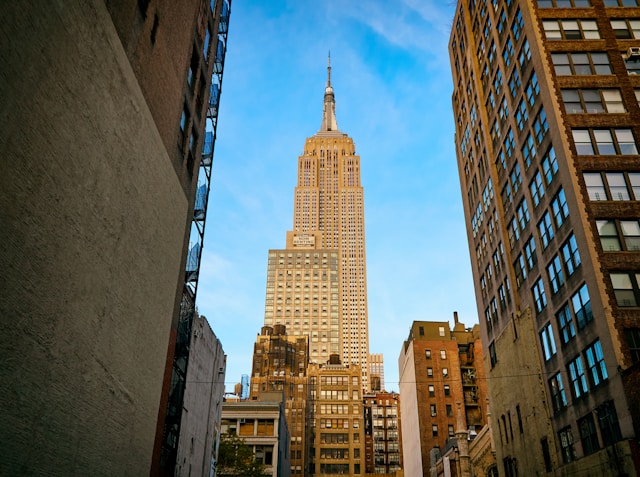
When the skyscraper officially opened its doors, it featured one of the most sophisticated high-rise fire prevention and protection frameworks of its era. The design integrated a robust structural steel skeleton heavily shielded by specialized fire-resistive materials, entirely enclosed emergency stairwells, and an early iteration of internal compartmentation engineered to halt the rapid migration of smoke and flames from one level to the next. These structural choices directly incorporated the painful architectural lessons learned from past urban tragedies, including the catastrophic nineteen hundred and eleven Triangle Shirtwaist Factory fire, an event that had previously ignited sweeping modifications in municipal safety laws and directly revolutionized high-rise design principles throughout the metropolis.
Furthermore, the soaring tower came fully equipped with advanced internal standpipe networks, granting emergency responders the immediate capability to deliver high-pressure water directly to the upper echelons of the structure. Throughout the nineteen-thirties, this asset represented the absolute pinnacle of high-rise safety engineering, guaranteeing that local firefighters, who routinely struggled with restricted hose lengths and basic mechanical pump limitations, possessed a reliable method to suppress blazes burning hundreds of feet above the city pavement. This early integration of safety technology transformed the monument into more than just the tallest skyscraper on earth, establishing it as one of the safest habitable structures of its generation.
Crucial Lessons Extracted from the Nineteen Forty Five Aircraft Impact
The structural fire protection systems of the monument faced their most severe historical test on a foggy morning in late July of nineteen hundred and forty-five, when a military bomber aircraft operated by the United States Army lost its bearings in the heavy low-hanging mist and crashed directly into the northern facade of the building between the seventy-ninth and eightieth floors. The violent impact resulted in the tragic loss of fourteen lives and instantly triggered a massive inferno that tore through several interior office levels.
Remarkably, the intense fire was completely suppressed by emergency crews in a mere forty minutes. Responding emergency personnel directly credited the robust internal standpipe infrastructure and the efficient structural compartmentation with preventing a much wider catastrophe from unfolding. Despite the presence of a massive structural opening torn into the exterior facade, the underlying structural integrity of the skyscraper remained perfectly sound, and only a very small section of the interior offices required temporary closure. During an era when high-rise fire safety engineering was still in its formative stages, the tower provided a classic textbook example of how intelligent design and proactive preparedness could successfully contain even the most extreme disasters, marking a historic turning point for public confidence in skyscraper safety.
Continuous Modernization and Safety Framework Upgrades
As municipal building codes systematically advanced over the decades, the internal fire protection infrastructure of the monument evolved proportionally. By the second half of the twentieth century, automated water sprinkler mechanisms had established themselves as the absolute highest standard for high-rise life safety protection. Although automated sprinklers were not legally mandated when the tower was originally assembled, retrofitting the entire interior layout became vital to satisfy contemporary corporate expectations. Today, the skyscraper is fully protected by modern sprinkler networks, providing automated fire suppression coverage across every single one of its one hundred and two distinct stories.
A massive modernization campaign launched during the two-thousands, which represented a five hundred and fifty million dollar financial initiative dedicated to maximizing overall energy performance, also implemented comprehensive life safety enhancements throughout the tower. The aging fire alarm systems were entirely replaced with cutting-edge intelligent addressable networks that offer precise accuracy when pinpointing smoke or thermal threats. Pressurized escape stairwells were integrated to deliver secure emergency evacuation corridors, guaranteeing that occupants can exit the building safely without being compromised by toxic smoke accumulation, while the central emergency command centers were thoroughly modernized to empower building management and first responders to oversee every active safety network in real time.
Confronting Contemporary High Rise Fire Safety Dilemmas
High-rise architectural structures naturally present highly unique difficulties regarding fire suppression, characterized by extended vertical evacuation distances, thousands of simultaneous occupants, and restricted municipal ladder and hose access beyond specific heights. The monument perfectly showcases how a multi-layered combination of independent systems, including structural fire resistance, automated detection alerts, widespread sprinklers, and interior standpipes, can operate in harmony to provide vital structural redundancy. These continuous infrastructure upgrades align seamlessly with modern international fire protection codes and strict municipal safety mandates, which strictly require multiple overlapping layers of defense to safeguard both building occupants and arriving first responders.
Crucially, the management of the skyscraper has also institutionalized regular emergency evacuation drills and proactive tenant education programs, openly recognizing that total fire protection involves more than just physical mechanical hardware. Continued occupant awareness and preparedness remain an indispensable piece of the broader safety equation, particularly within a historic landmark that continuously welcomes millions of international sightseers and office workers every single year.
An Enduring Architectural and Safety Legacy
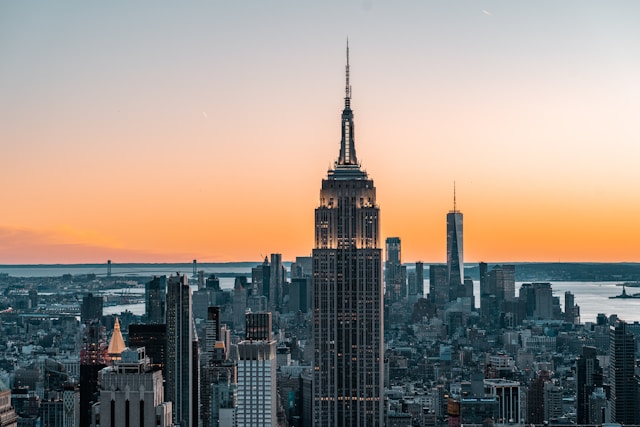
Approaching nearly a full century since its historic completion, the skyscraper continues to spark global inspiration and wonder. International sightseers gather on its elevated observation decks, cinematic directors frequently utilize its silhouette as a dramatic visual backdrop, and structural engineers carefully analyze its framework as a classic case study in material durability and occupant safety. Its long history is defined by unbridled human ambition, having been built taller and faster than anyone previously believed achievable, and its survival through historical crises ranging from deep economic deprivation to a mid-century wartime accident highlights its permanent position as a true landmark.
What renders the building uniquely extraordinary is the seamless manner in which advanced fire protection has been woven directly into its historical legacy. From its early reliance on interior compartmentation and high-pressure standpipes to its contemporary integration of automated sprinklers and digital command centers, the tower mirrors the broader evolution of fire safety engineering itself, which constantly adapts, improves, and rises to overcome emerging challenges.
For nearly forty years, it maintained its proud reign as the tallest building on the planet, a legendary record that stood unbroken until the twin towers of the World Trade Center transformed the lower Manhattan skyline in nineteen hundred and seventy. Even after subsequent mega-structures claimed the international height crown, the skyscraper never surrendered its immense symbolic power. Its permanent presence serves as an enduring reminder that while creative architecture and structural engineering define the visual appearance of a skyline, it is ultimately the underlying fire protection frameworks that guarantee those monuments endure over time, protecting human lives, preserving cultural history, and securing the future.
यह भी पढ़ें

Twelve Incredible Facts That Make Giant Pandas Absolutely Fascinating
Dawson Elliot
2025 में दुनिया की शीर्ष 10 सबसे तेज़ कारें
राधा

घास के मैदानों के बगीचे आजकल तेज़ी से लोकप्रिय हो रहे हैं—इसे कैसे उगाएँ, जानिए
अनिता
प्राचीन कलाकृतियाँ आधुनिक वास्तुकला को कैसे प्रेरित कर सकती हैं
संजय

यूएसए में सबसे अच्छी पर्वत झीलें
माउंटेन हाउस

सर्दियों के अजूबे: बर्फीले सफ़र के लिए आरामदायक केबिन
अक्षय