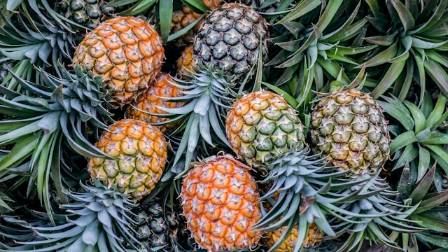
Pineapple (Ananas comosus) is more than just a sweet, tropical delight—it’s a nutritional powerhouse deeply cherished across Southeast Asia for its vibrant flavor, year-round availability, and affordable price point. Native to South America, this spiky fruit made its way to Southeast Asia centuries ago, where it quickly became a staple in local cuisines, street food, and home kitchens. Its juicy, tangy-sweet taste, versatility in both sweet and savory dishes, and ability to thrive in tropical climates have solidified its status as a favorite among young and old alike. Beyond its deliciousness, pineapple is packed with essential nutrients, enzymes, and antioxidants that offer a range of health benefits, from supporting immunity to easing digestion. Below, we dive into the science behind pineapple’s health perks, share practical tips for selecting and storing it, and explore easy, flavorful ways to incorporate it into your daily diet—backed by insights from dietitian Phoebe Thong of Outram Community Hospital (OCH), part of the SingHealth group.
1.Rich in Essential Vitamins and Minerals: Fuel for Overall Wellness
Pineapple is a nutrient-dense fruit, boasting a impressive profile of vitamins and minerals that support multiple bodily functions. At the forefront is vitamin C—one 140g slice provides approximately 79mg of this antioxidant vitamin, meeting over 85% of the Daily Value (DV) for adults. Vitamin C is critical for boosting immune function by stimulating the production of white blood cells, which fight off infections, and it plays a key role in collagen synthesis, promoting skin elasticity and wound healing. It also acts as a potent antioxidant, neutralizing free radicals that can damage cells and contribute to chronic diseases like cancer and heart disease. Pineapple is also a good source of vitamin B6, a nutrient that aids in brain development, neurotransmitter production (supporting mood and cognitive function), and energy metabolism by helping the body convert food into usable fuel. Additionally, it’s one of the best dietary sources of manganese—one slice delivers about 76% of the DV—an essential mineral that supports bone health, regulates blood sugar, and acts as a cofactor for antioxidant enzymes that protect cells from oxidative stress. Together, these nutrients make pineapple a natural boost for overall vitality and long-term health.
2.Natural Anti-Inflammatory Properties: Powered by Bromelain
The star compound in pineapple that sets it apart from other fruits is bromelain—a group of proteolytic enzymes found in the fruit’s flesh, core, and skin. Unlike many anti-inflammatory supplements, bromelain is naturally occurring and backed by research for its ability to reduce inflammation throughout the body. Studies have shown that bromelain inhibits the production of pro-inflammatory cytokines, substances that trigger swelling and pain, making it beneficial for individuals with conditions like osteoarthritis and rheumatoid arthritis. It may also alleviate symptoms of allergies by reducing histamine release, which causes sneezing, itching, and congestion. For athletes or those recovering from exercise, bromelain has been found to reduce muscle soreness and speed up recovery time by breaking down damaged tissue and promoting circulation. Additionally, bromelain supports digestive health by breaking down proteins, but its anti-inflammatory effects extend beyond the gut—some research suggests it may even aid in reducing inflammation associated with asthma and inflammatory bowel disease (IBD). While bromelain is present in all parts of the pineapple, the core contains the highest concentration, so don’t discard it—blend it into smoothies or chop it into stir-fries to maximize benefits.
3.Supports Digestive Health: Fiber and Enzymes for Gut Wellness
Pineapple is a dual powerhouse for digestion, combining dietary fiber with natural enzymes that work in harmony to keep your gut healthy. A 140g slice provides 2.52g of fiber—about 10% of the DV for adults—which is essential for maintaining regular bowel movements and preventing both constipation and diarrhea. Fiber acts as a “bulking agent” in the intestines, promoting the growth of beneficial gut bacteria (probiotics) that support a balanced microbiome, a key factor in overall digestive health and immunity. Complementing this fiber is bromelain, which breaks down complex proteins into smaller peptides and amino acids, making them easier for the body to absorb. This is particularly helpful for individuals with digestive issues like bloating or indigestion, as it eases the workload of the stomach and pancreas. Unlike many other fruits, pineapple’s enzymes remain active even in the acidic environment of the stomach, enhancing their digestive benefits. Regular consumption of pineapple can help improve nutrient absorption, reduce gut inflammation, and support a healthy gut barrier—all crucial for preventing digestive disorders and maintaining optimal gut health.
4.Boosts Eye Health: Protecting Vision with Vitamin A and Beta-Carotene
Pineapple is a rich source of two key nutrients for eye health: vitamin A and beta-carotene. Vitamin A is essential for maintaining the health of the retina, the light-sensitive tissue at the back of the eye, and it plays a critical role in preventing age-related macular degeneration (AMD)—the leading cause of vision loss in adults over 50. A 140g slice of pineapple provides about 580 IU of vitamin A, contributing to the daily requirement for this vital nutrient. Beta-carotene, a carotenoid that the body converts into vitamin A, offers additional protection by acting as an antioxidant in the eye, neutralizing free radicals that can damage retinal cells and contribute to cataracts (clouding of the eye’s lens) and AMD. Research has shown that diets high in carotenoids like beta-carotene are associated with a lower risk of developing age-related eye diseases. By incorporating pineapple into your diet, you’re not only satisfying your sweet tooth but also providing your eyes with the nutrients they need to stay healthy and functional well into later life.
5.Supports Heart Health: Potassium and Fiber for Cardiovascular Wellness
Pineapple’s combination of potassium and dietary fiber makes it a heart-healthy addition to any diet. Potassium is a mineral that plays a crucial role in regulating blood pressure by counteracting the effects of sodium—one 140g slice contains approximately 180mg of potassium, helping to relax blood vessel walls and reduce strain on the heart. This, in turn, lowers the risk of hypertension (high blood pressure), a major risk factor for heart disease and stroke. The fiber in pineapple further supports heart health by lowering levels of LDL (“bad” cholesterol) in the bloodstream. Soluble fiber binds to cholesterol and bile acids in the intestines, preventing their absorption and promoting their excretion, which helps reduce plaque buildup in arteries (atherosclerosis). A diet rich in fiber has been consistently linked to a lower risk of cardiovascular disease, and pineapple’s low fat, low sodium, and zero cholesterol profile make it an ideal choice for supporting heart function. When combined with other heart-healthy foods like whole grains and lean proteins, pineapple can be a valuable part of a diet that protects against heart disease.
How to Choose and Store Pineapple: Tips for Maximum Freshness and Flavor
To get the most out of your pineapple—both in terms of taste and nutrition—knowing how to select and store it is key. When choosing a ripe pineapple, look for a fruit that has a golden-yellow color (avoid those that are mostly green, as they’re unripe, or overly brown, which indicates overripeness). The base of the pineapple should emit a sweet, tropical aroma—if there’s no smell, it’s not ripe; if it smells fermented or sour, it’s past its prime. Gently press the skin: it should give slightly but not feel mushy. The leaves at the top should be green and firm—tug one gently; if it pulls out easily, the pineapple is ripe. Once ripe, store whole pineapples at room temperature for up to 2 days, or in the refrigerator (in a plastic bag) for 3–5 days. For cut pineapple, store it in an airtight container in the fridge for 3–4 days, or freeze it in chunks for up to 6 months—frozen pineapple is perfect for smoothies or as a frozen treat. Avoid storing pineapple near other fruits like apples or bananas, as they release ethylene gas, which speeds up ripening and spoilage.
5 Easy, Delicious Ways to Enjoy Pineapple in Your Diet

Pineapple’s versatility shines in both sweet and savory dishes, making it easy to incorporate into breakfast, lunch, dinner, or snacks—especially in Southeast Asian cuisine. Here are five practical, flavorful ideas:
1.Pineapple Fried Rice (Nasi Goreng Nanas)
A beloved Southeast Asian street food, pineapple fried rice is a hearty, one-pan meal that’s perfect for busy weeknights. Cook 1 cup of jasmine rice ahead of time and let it cool (day-old rice works best to avoid stickiness). Heat 1 tablespoon of oil in a wok or large skillet, sauté 1 minced garlic clove and 1 diced shallot until fragrant. Add 100g of diced chicken breast, shrimp, or tofu and cook until browned. Toss in ½ cup of diced pineapple, ¼ cup of diced carrots, ¼ cup of peas, and 2 tablespoons of diced bell peppers, stirring for 2–3 minutes. Add the cooled rice, 1 tablespoon of soy sauce (or tamari for gluten-free), ½ teaspoon of curry powder, and a pinch of salt and pepper. Stir-fry for 3–4 minutes until everything is well combined. Top with chopped cilantro, fried shallots, and a squeeze of fresh lime juice for extra tang.
2.Pineapple Curry
This sweet-and-spicy curry balances pineapple’s natural sweetness with aromatic spices, creating a flavorful, comforting meal. Heat 1 tablespoon of coconut oil in a pot over medium heat, sauté 1 diced onion, 2 minced garlic cloves, and 1 tablespoon of red curry paste for 2–3 minutes until fragrant. Add 1 cup of diced pineapple, 1 cup of mixed vegetables (cauliflower, bell peppers, snap peas), and 1 cup of coconut milk (use light coconut milk for a lower-fat option). Bring to a simmer and cook for 15–20 minutes until vegetables are tender. Stir in 100g of cooked chicken, shrimp, or chickpeas, and simmer for 5 more minutes. Season with salt, pepper, and a squeeze of lime juice. Serve over jasmine rice or with naan bread for dipping.
3.Fresh Pineapple Salad
This light, crunchy salad is perfect for hot days, combining pineapple’s sweetness with fresh herbs and tangy dressing. Dice 1 cup of fresh pineapple and toss with ½ cup of diced cucumber, ¼ cup of cherry tomatoes (halved), 2 tablespoons of chopped cilantro, and 1 tablespoon of chopped mint. For the dressing, whisk together 2 tablespoons of lime juice, 1 tablespoon of fish sauce (or coconut aminos for vegan), 1 teaspoon of honey (or maple syrup for vegan), and 1 minced chili pepper (optional for heat). Drizzle the dressing over the salad and toss gently. Serve as a side dish with grilled chicken or fish, or add ½ cup of cooked quinoa for a complete meal.
4.Grilled Pineapple Skewers
A simple, healthy snack or side dish, grilled pineapple skewers highlight the fruit’s natural sweetness. Cut 1 cup of pineapple into 2cm chunks. Thread the chunks onto bamboo skewers (soaked in water for 30 minutes to prevent burning). Brush with a mixture of 1 teaspoon of honey, 1 teaspoon of soy sauce, and a pinch of cinnamon. Grill on a barbecue or in a grill pan over medium heat for 3–4 minutes per side, until charred and caramelized. Serve warm as a snack, or as a side dish with grilled meats like pork ribs or chicken. For an extra treat, sprinkle with toasted coconut flakes or a dollop of Greek yogurt.
5.Pineapple Smoothie
A refreshing, nutrient-packed breakfast or snack, pineapple smoothie is quick to blend and bursting with flavor. Combine 1 cup of fresh or frozen pineapple chunks, ½ a banana, ½ cup of spinach (for extra greens), ½ cup of unsweetened almond milk (or dairy milk/yogurt), 1 tablespoon of chia seeds, and a squeeze of lime juice in a blender. Blend until smooth and creamy. For added protein, stir in 1 scoop of vanilla protein powder or 2 tablespoons of peanut butter. Serve immediately, or pour into a mason jar and refrigerate for up to 4 hours. This smoothie is naturally sweet, low in added sugars, and perfect for boosting energy levels.
Nutritional Analysis of Pineapple: What You Need to Know
A 140g slice of fresh pineapple (about ⅛ of a medium pineapple) contains the following nutrients, making it a low-calorie, nutrient-dense choice:
-
Calories: 59.61kcal (less than 3% of the daily calorie needs for an average adult)
-
Carbohydrates: 11.48g (primarily natural sugars, with 2.52g of fiber to slow absorption)
-
Protein: 0.84g (a small but valuable contribution to daily intake)
-
Fat: 0.28g (virtually fat-free, with no saturated or trans fats)
-
Fiber: 2.52g (10% of the DV, supporting digestion and satiety)
-
Water: 121.52g (over 86% water, making it highly hydrating)
-
Vitamin C: 79mg (88% of the DV)
-
Vitamin B6: 0.15mg (9% of the DV)
-
Manganese: 1.4mg (76% of the DV)
-
Potassium: 180mg (4% of the DV)
Compared to other tropical fruits, pineapple stands out for its high vitamin C and manganese content, low fat, and high water content—making it a great choice for weight management, hydration, and overall nutrition.
Conclusion: Pineapple—A Sweet Addition to a Balanced Diet
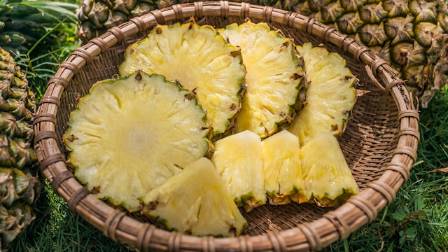
Pineapple is more than just a tropical treat; it’s a nutrient-dense fruit that offers a range of science-backed health benefits, from reducing inflammation and supporting digestion to protecting eye and heart health. Its natural sweetness, versatility, and year-round availability make it easy to incorporate into a balanced diet, whether eaten raw, cooked, or blended into smoothies. By following simple tips for selecting and storing pineapple, you can maximize its freshness and nutritional value. Remember, while pineapple is a healthy choice, it’s best enjoyed as part of a varied diet that includes whole grains, lean proteins, and a rainbow of other fruits and vegetables—this diversity ensures you get all the nutrients your body needs for optimal health. Whether you’re a fan of classic pineapple fried rice, fresh salads, or creamy smoothies, this spiky fruit is sure to add flavor and nutrition to your meals—proving that healthy eating can be delicious and satisfying.