← मुखपृष्ठ3 मिनट का पाठ
विशेष लेख
Identifying White Herons: A Comprehensive Guide
Observing white wading birds offers a fascinating opportunity to hone your wildlife identification skills. While these elegant creatures may appear similar at first glance, each species possesses unique characteristics that distinguish them from their relatives. Learning to recognize these differences will greatly enhance your birdwatching experiences in wetland habitats.
L
Laura White
लेखक
लेख परिचय
नीचे पूरा लेख पढ़ें।
अनुभाग
समाचार
White herons and egrets present some of the most rewarding identification challenges for bird enthusiasts. These elegant wading birds, all belonging to the Ardeidae family, share similar silhouettes but possess distinct characteristics that set them apart. Understanding their structural differences, behaviors, and habitats is key to accurate identification.
Key Identification Features
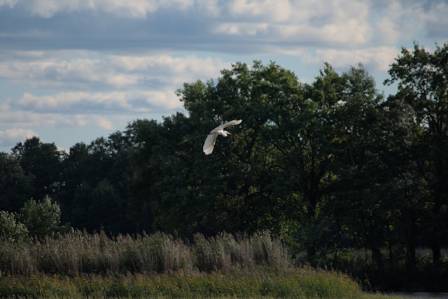
Bill Structure Variations
Snowy Egret displays a slim, dark bill with yellow lores, while Great Egret features a heavy, yellow bill with black legs. Cattle Egret possesses a short, stout bill suited for terrestrial feeding, and Little Blue Heron shows a bicolored, slightly droopy bill. Reddish Egret adults have a long bill with pink base and dark tip, and Great White Heron boasts the largest, heaviest yellow bill of all.
General Identification Tips
White herons typically fly with their necks retracted, unlike cranes and storks. Each species has a distinctive "GISS" (general impression of size and shape) that becomes recognizable with practice. Pay attention to feeding postures, movement patterns, and habitat preferences, as these behavioral cues often provide crucial identification clues. Age determination is also important, as critical field marks change with maturity.
Species Profiles
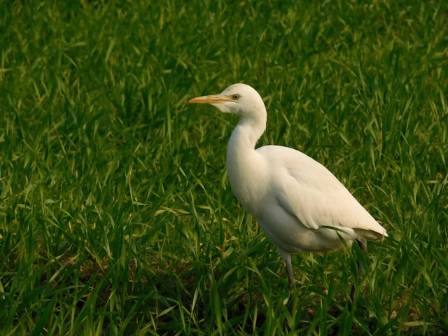
Snowy Egret
This medium-sized, slender heron favors estuarine shallows and employs varied hunting techniques, from animated pursuits to stationary vigils. Breeding adults display black bills with bright yellow lores and distinctive yellow feet, while nonbreeding birds show more subdued coloration. Immatures have greenish legs that darken with age, and their bill coloration transitions from dark-tipped with greenish base to adult appearance.
Great Egret
Consistent across all ages, this large heron features black legs and a stout yellow bill. It moves deliberately, often foraging with its bill held horizontally. Great Egrets lack head plumes, and breeding adults develop bright green lores and long back plumes. The species is widespread and commonly associates with other herons in mixed feeding flocks.
Cattle Egret
Distinctive for its compact shape with short neck and legs, this species prefers grassy habitats and often follows grazing animals. Breeding adults show rich buff-orange patches on head and neck, while nonbreeding birds are entirely white with yellow bills. Juveniles have black bills and legs initially, with bill color changing to yellow in their first fall.
Little Blue Heron (Juvenile)
First-year birds appear mostly white, creating identification challenges. They're slightly heavier than Snowy Egrets with thicker necks and bicolored bills. Note the dusky wingtips and generally sluggish movements compared to more active egrets. The white plumage provides an advantage when foraging with Snowy Egrets, as they're less likely to be driven away from feeding areas.
Reddish Egret (White Morph)
This uncommon coastal species shows acrobatic feeding behavior, including dramatic dashes and "canopy feeding" with wings spread. Adults have distinctive pink-based bills with dark tips, while immatures show mostly dark bills that gradually develop bicoloration. The white morph makes up only 2-7% of the Gulf Coast population.
Great White Heron
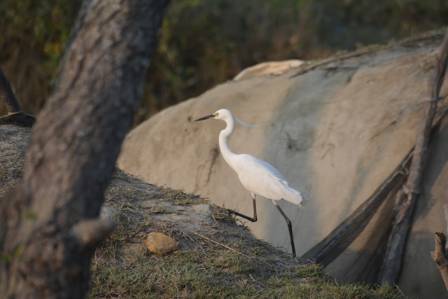
Restricted mainly to southern Florida, this largest heron features a heavy yellow bill and dusky pale legs. It prefers saltwater habitats and moves slowly and deliberately. Breeding adults develop slender head plumes. The "Wurdemann's" Heron represents hybrids between Great White and Great Blue Herons, showing intermediate characteristics.
Little Egret (Vagrant)
An accidental visitor from Eurasia, this species closely resembles Snowy Egret but is slightly larger with a more daggerlike bill. Breeding adults display two elongated head plumes rather than the shaggy plumes of Snowy Egrets. Nonbreeding birds show all-black legs and grayish lores, unlike the yellow lores of Snowy Egrets.
Mastering white heron identification requires attention to multiple characteristics including bill structure, leg color, plumage details, and behavioral patterns. With practice, observers can learn to distinguish these elegant birds confidently, enhancing their birding experience in wetland habitats throughout North America.
यह भी पढ़ें

en
10 Best Station wagon in 2025
Jim

hi
महासागर का हर्षित मार्गदर्शक
आइला रेनफोर्ड

hi
लाल गुलाब प्रेम और रोमांस का प्रतीक हैं। पेश है लाल फूलों वाले गुलाबों की हमारी पसंदीदा किस्में।
अक्षय

hi
कबूतरों के बारे में तथ्य
अनुपमा

hi
अमेरिका में 10 रोमांचक गंतव्य, जहाँ आप एक शानदार ऑफ रोड 4x4 एडवेंचर का मज़ा ले सकते हैं
भानु

en
Ten Ultimate Performance Cars From The Golden Age Of American Muscle
Thomas Parker