विशेष लेख
Introduction to French Macarons
When many people hear the word “macaroon,” they often imagine a dense, chewy coconut-based treat made with shredded coconut and egg whites. However, that is not the pastry being discussed here.
Olivia Grant
लेखक
लेख परिचय
नीचे पूरा लेख पढ़ें।
अनुभाग
समाचार
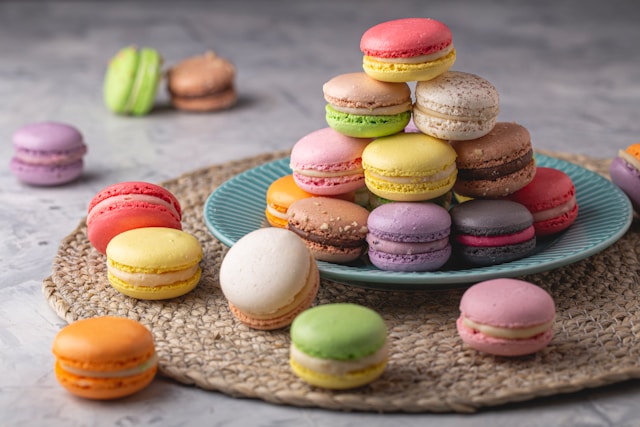
When many people hear the word “macaroon,” they often imagine a dense, chewy coconut-based treat made with shredded coconut and egg whites. However, that is not the pastry being discussed here.
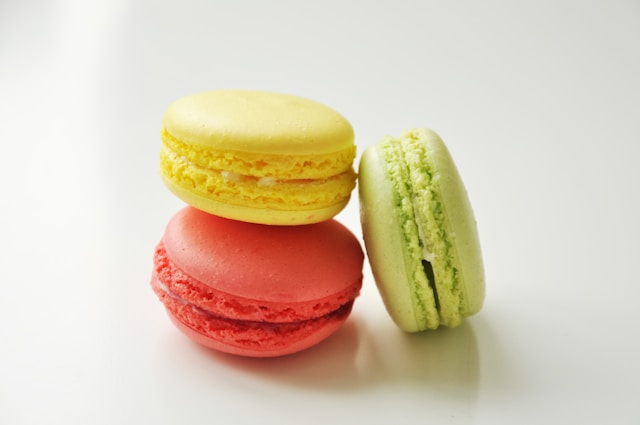
The macaron in focus is a delicate French sandwich cookie filled with cream. When made well, it delivers a light, joyful experience with each bite, often described by enthusiasts as deeply satisfying and memorable. It has inspired many to become devoted fans of this elegant dessert.
A Short History of Macarons
A single missing letter has caused endless confusion between “macaroon” and “macaron.” Pronouncing the French term correctly can be difficult for non-native speakers and often requires repetition. The word “macaron” traces back through French to the Italian “maccherone,” meaning fine dough, and is also related to the origin of the word “macaroni.”
The earliest forms of macaron are somewhat uncertain, though it is believed that the recipe may have traveled from Italy to France in the 16th century with Catherine de Medici and her pastry chefs. Later, during the French Revolution, two nuns in Nancy became known for baking and selling simple almond-based macarons to support themselves. These early versions contained only ground almonds, egg whites, and sugar, with no fillings or flavors.
In the early 20th century, a major transformation occurred when a Parisian pastry chef associated with Ladurée introduced the idea of joining two cookies with a creamy filling. This innovation turned the macaron into the colorful, flavor-rich dessert widely known today.
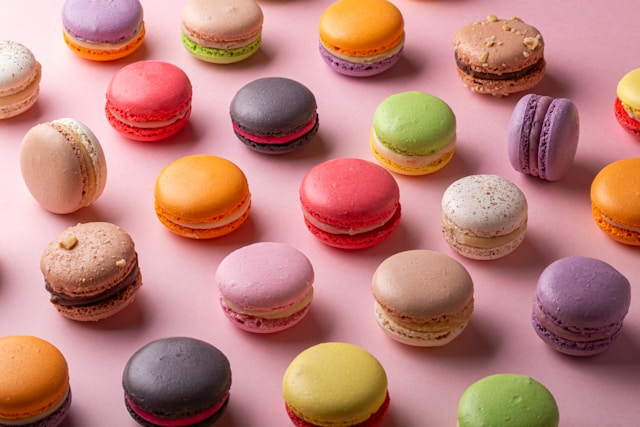
Modern macarons typically consist of two almond-based shells paired with fillings such as ganache, buttercream, or jam, creating a balanced and elegant confection.
What Defines a High-Quality Macaron
There are several personal standards often used to judge whether a macaron is well made. While even imperfect ones are usually enjoyable, truly excellent macarons meet specific expectations.
One important factor is balance. The ratio between shell and filling should feel even, ideally somewhere between equal parts or slightly more cookie than filling. Too little filling or excessive filling that overflows the edge is considered poorly executed.
The filling itself should have a smooth and stable texture. It should be creamy or firm depending on its type, but never overly sticky or messy. A good macaron should be easy to eat without excessive crumbling or residue.
The surface of the shells should be smooth and refined. Visible bumps often suggest that the almond flour was not finely processed or properly sifted, which can affect both texture and appearance.
The outer shell should be thin and delicate, offering only a slight crispness before giving way to the softer interior. It should not be overly hard or brittle, as that disrupts the intended contrast of textures.
Inside, the cookie should be light, slightly chewy, and tender without becoming overly wet or mushy. Even if it appears slightly underbaked, that softness is part of its signature structure.
Sweetness should be present but balanced. Macarons are designed in a wide variety of flavors so that the main taste can be appreciated. If the sugar level overwhelms everything else, the experience becomes less enjoyable.
The Appeal of Macarons
Macarons are often associated with elegance and craftsmanship, combining simple ingredients into a refined dessert. Their appeal lies not only in flavor but also in texture, appearance, and variety.
For many enthusiasts, the experience of enjoying a well-made macaron is both indulgent and uplifting. While opinions on the “perfect” version may differ, the search for excellent macarons continues to inspire both bakers and dessert lovers alike.